-
-

-
- HOME
- MOVIES
- TV-SERIES
- WATCHED
- LAST ADDED
- RELEASE
-
GENRES
- All
- Action
- Adventure
- Animation
- Benefit concert
- Biography
- Christmas
- Comedy
- Costume
- Crime
- Documentary
- Drama
- Family
- Fantasy
- Game-Show
- Historical fiction
- History
- Horror
- Kung-Fu
- Music
- Musical
- Mystery
- Mythological
- News
- Psychological
- Reality-TV
- Romance
- Sci-Fi
- Short
- Sitcoms
- Sport
- Stand-up Comedy
- Talk-Show
- Thriller
- TV Show
- War
- Western
-
COUNTRY
- All
- Afghanistan
- Argentina
- Armenia
- Asia
- Australia
- Austria
- Bahamas
- Bangladesh
- Belgium
- Belize
- Bolivia
- Bosnia and Herzegovina
- Brazil
- Bulgaria
- Cambodia
- Canada
- Chile
- China
- Colombia
- Croatia
- Cuba
- Czech Republic
- Denmark
- Dominican Republic
- Euro
- Finland
- France
- Georgia
- Germany
- Greece
- Hong Kong
- Hungary
- Iceland
- India
- Indonesia
- International
- Iran
- Ireland
- Israel
- Italy
- Japan
- Jordan
- Kenya
- Korea
- Lebanon
- Lithuania
- Luxembourg
- Malaysia
- Mali
- Malta
- Mexico
- Mongolia
- Morocco
- Netherlands
- New Zealand
- Nigeria
- Norway
- Pakistan
- Palestine
- Panama
- Peru
- Philippines
- Poland
- Portugal
- Romania
- Russia
- Samoa
- Senegal
- Serbia
- Singapore
- Slovenia
- Somalia
- South Africa
- South Korea
- Spain
- Sudan
- Sweden
- Switzerland
- Taiwan
- Thailand
- Trinidad and Tobago
- Turkey
- Uganda
- Ukraine
- United Arab Emirates
- United Kingdom
- United States
- Uruguay
- Venezuela
- Vietnam
- TOP-IMDB
-
FeedbackFeedback about this page?CancelSend feedback
-
Filter
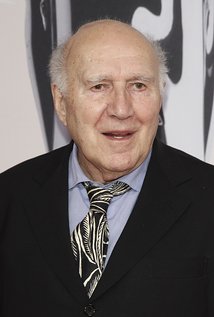
Michel Piccoli
Birthday: 27 December 1925, Paris, France
Birth Name: Jacques Daniel Michel Piccoli
Height: 182 cm
Born in a musician's family, he spent the first fifteen years of his career appearing both on stage and on screen, mostly in supporting roles. His breakthrough came after Jean-Luc Godard's Le mépris (1963) and about 100 films, ranging from art-house movies to commercial mainstream, followed. He won the Best Actor Award at the C...
Show more »
Born in a musician's family, he spent the first fifteen years of his career appearing both on stage and on screen, mostly in supporting roles. His breakthrough came after Jean-Luc Godard's Le mépris (1963) and about 100 films, ranging from art-house movies to commercial mainstream, followed. He won the Best Actor Award at the Cannes Film Festival for Salto nel vuoto (1980) in 1980 and the Silver Bear in Berlin for Une étrange affaire (1981) in 1982. Not surprisingly, he was chosen to impersonate Mr. Cinema in Agnès Varda Les cent et une nuits de Simon Cinéma (1995). Show less «
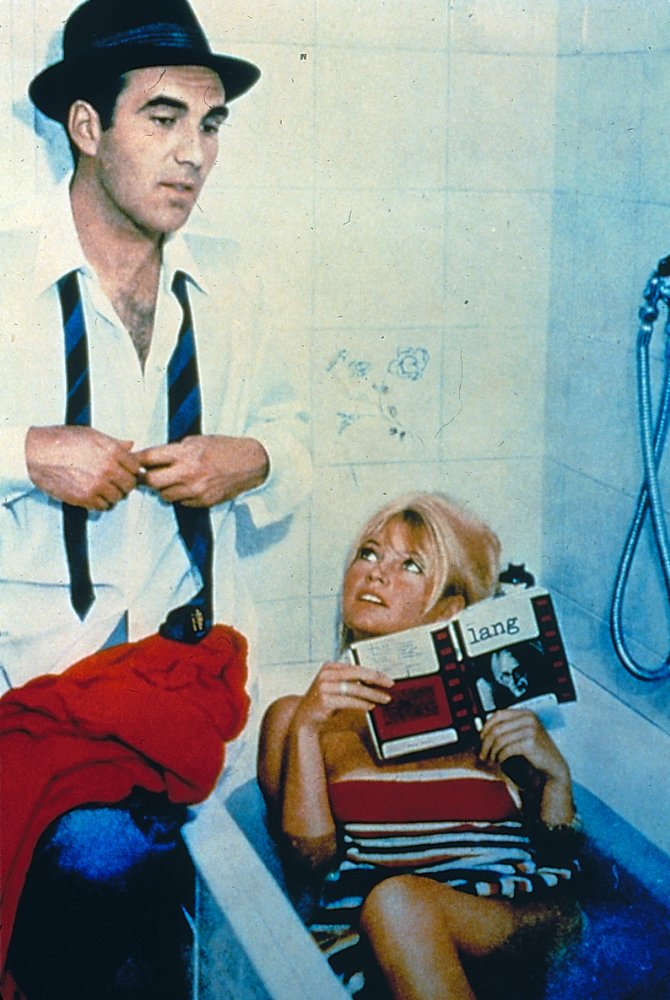
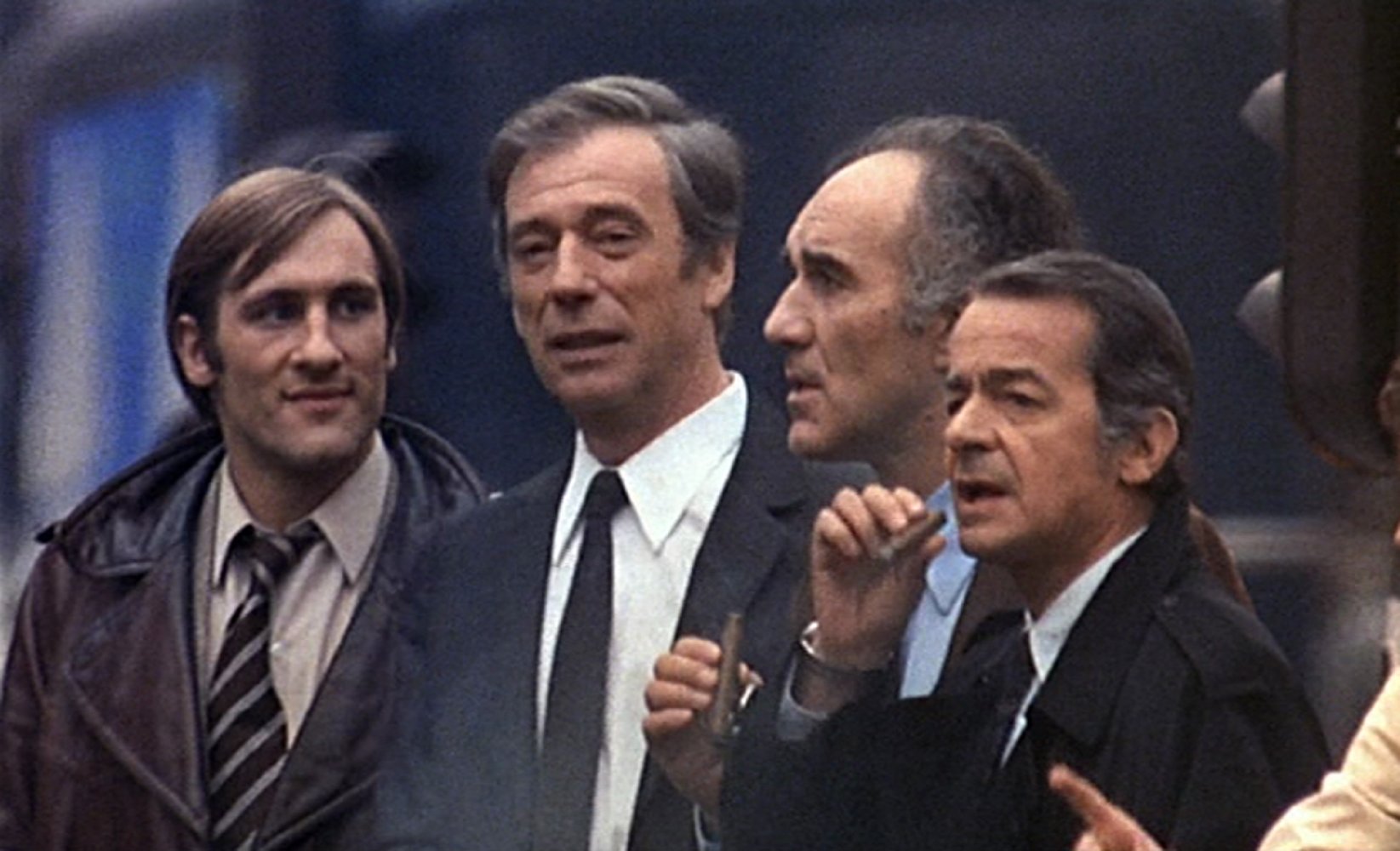
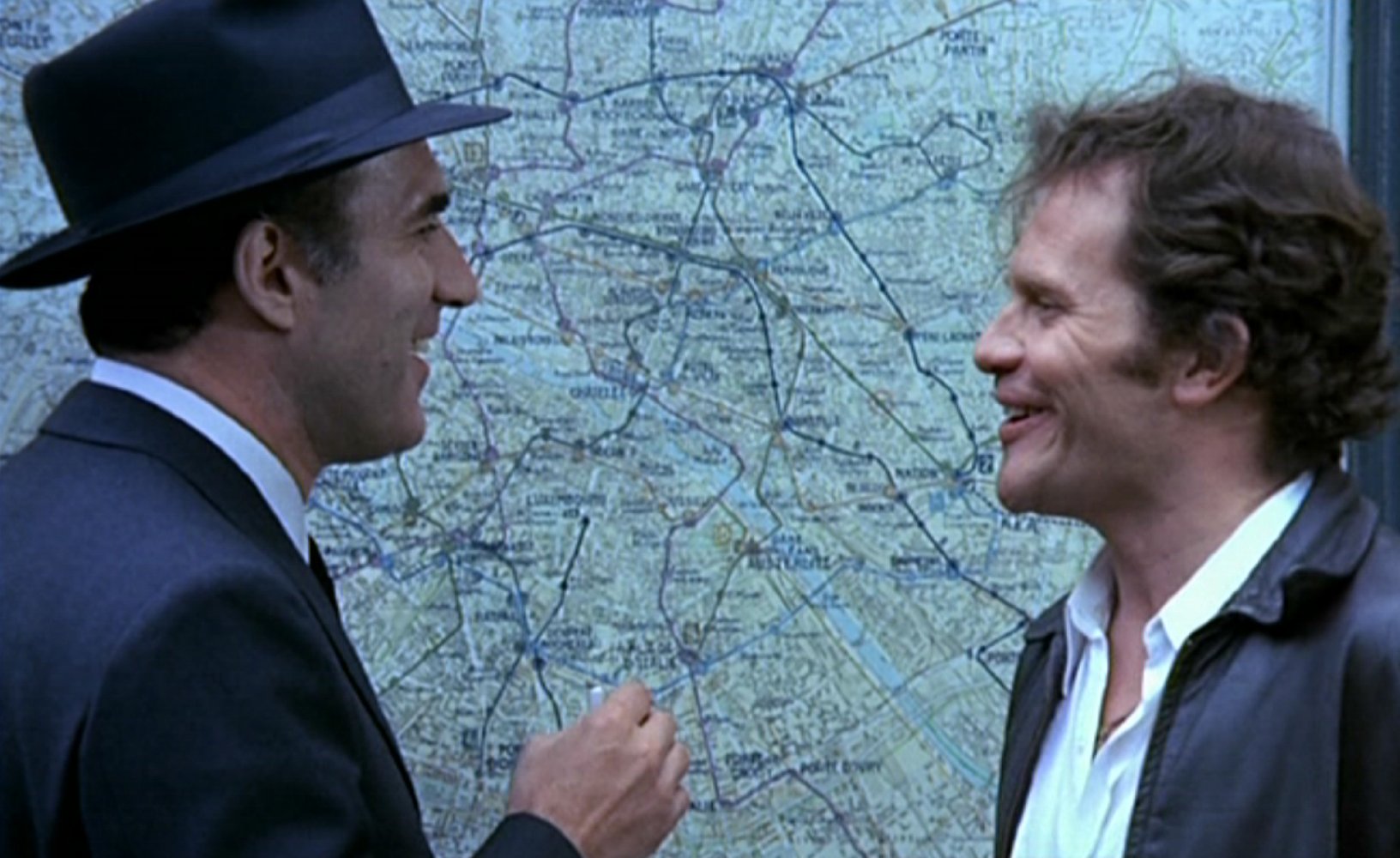
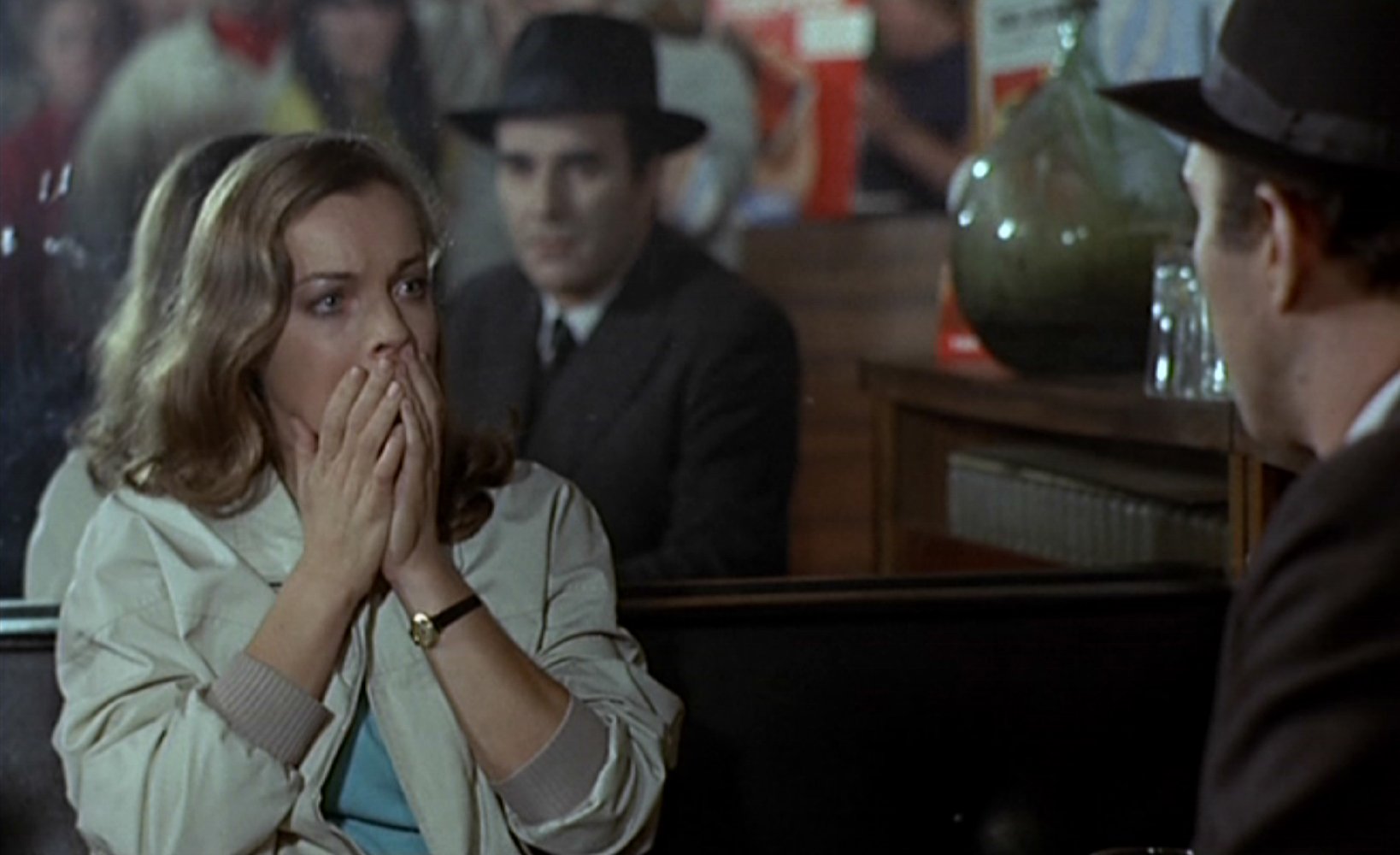
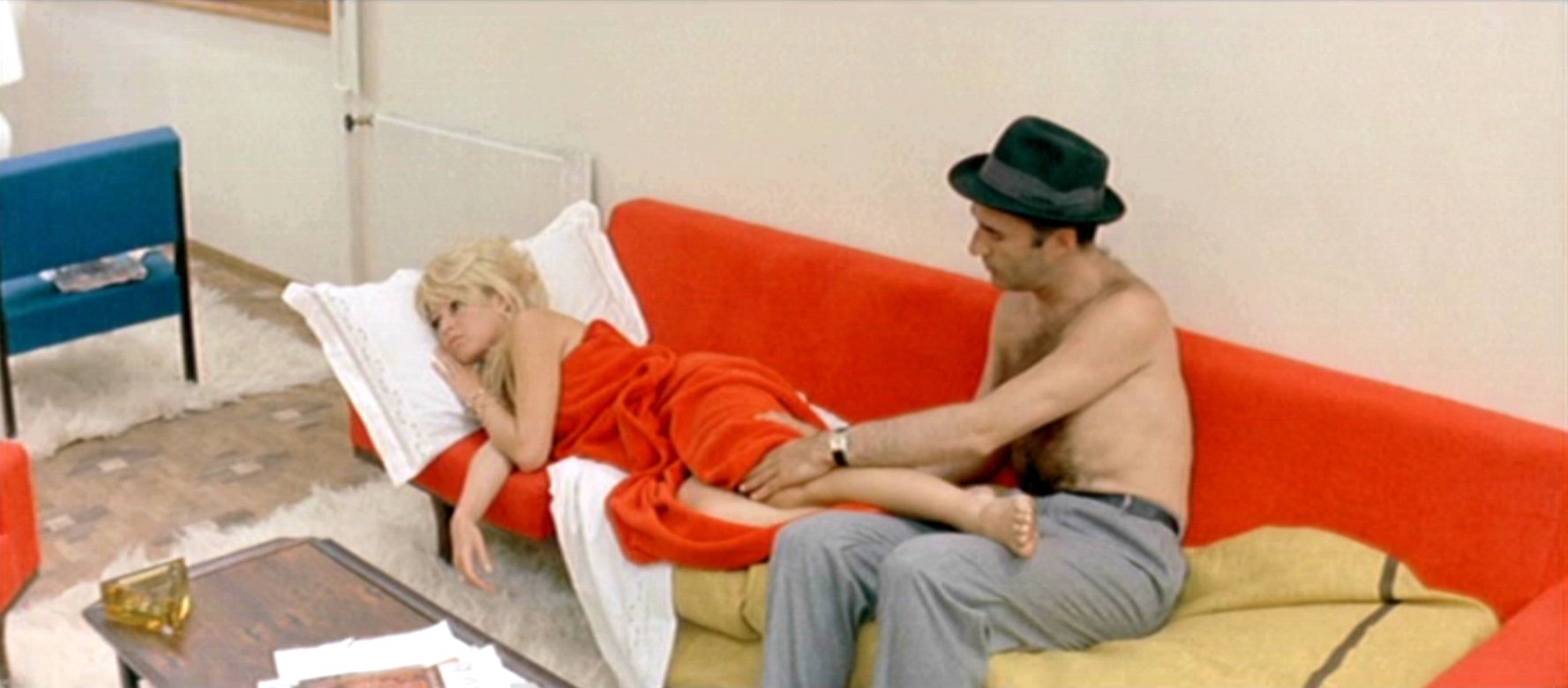
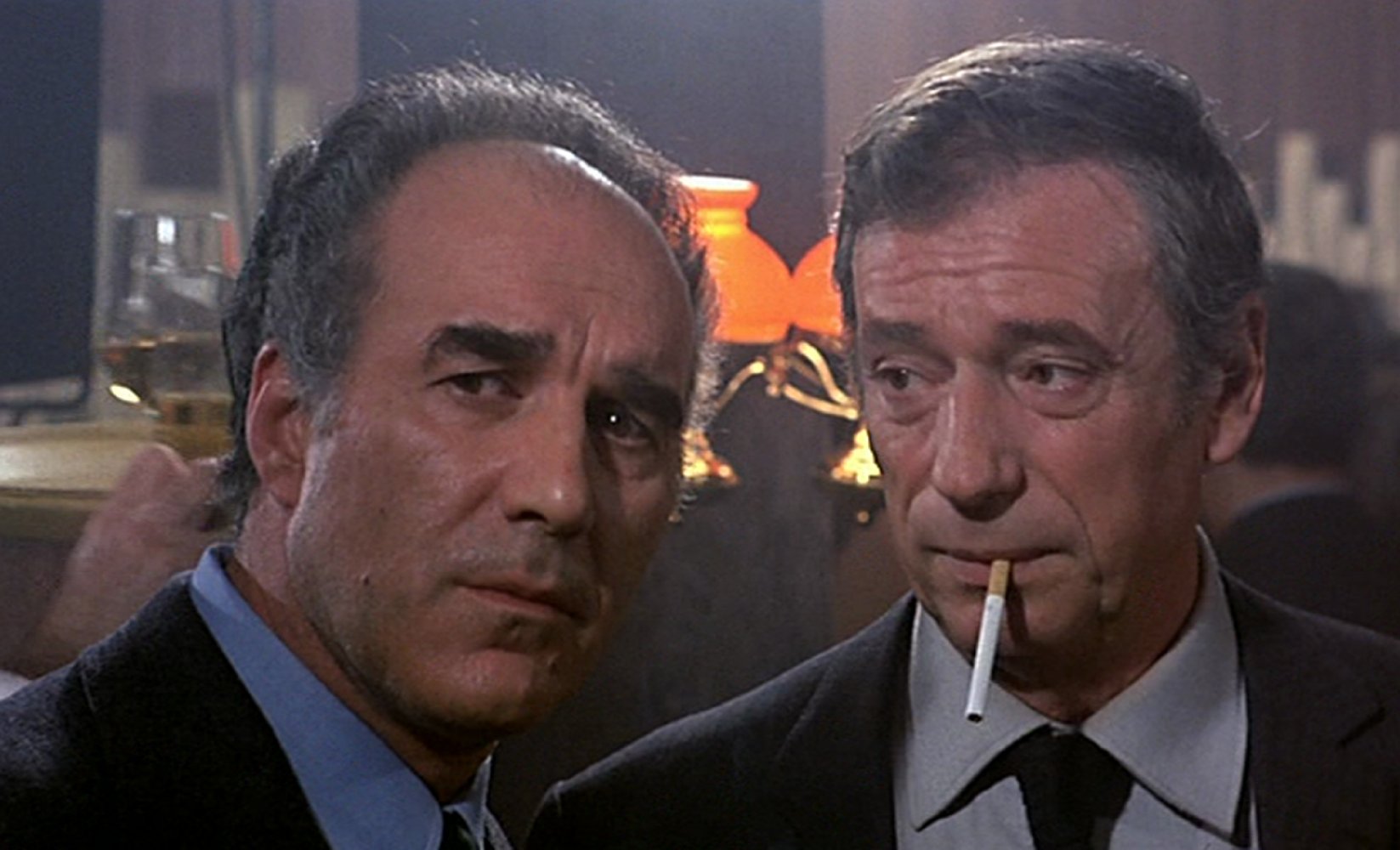
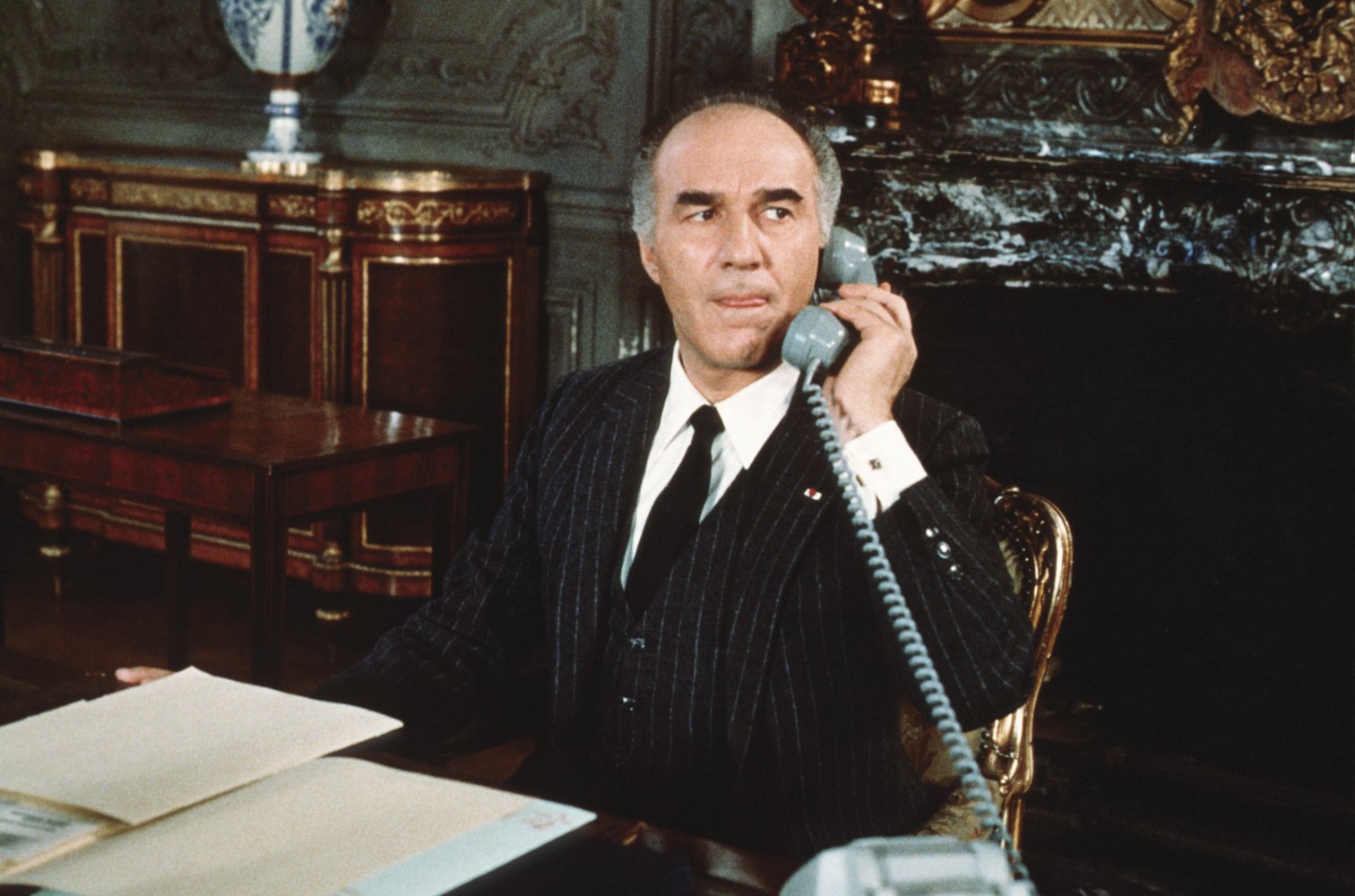
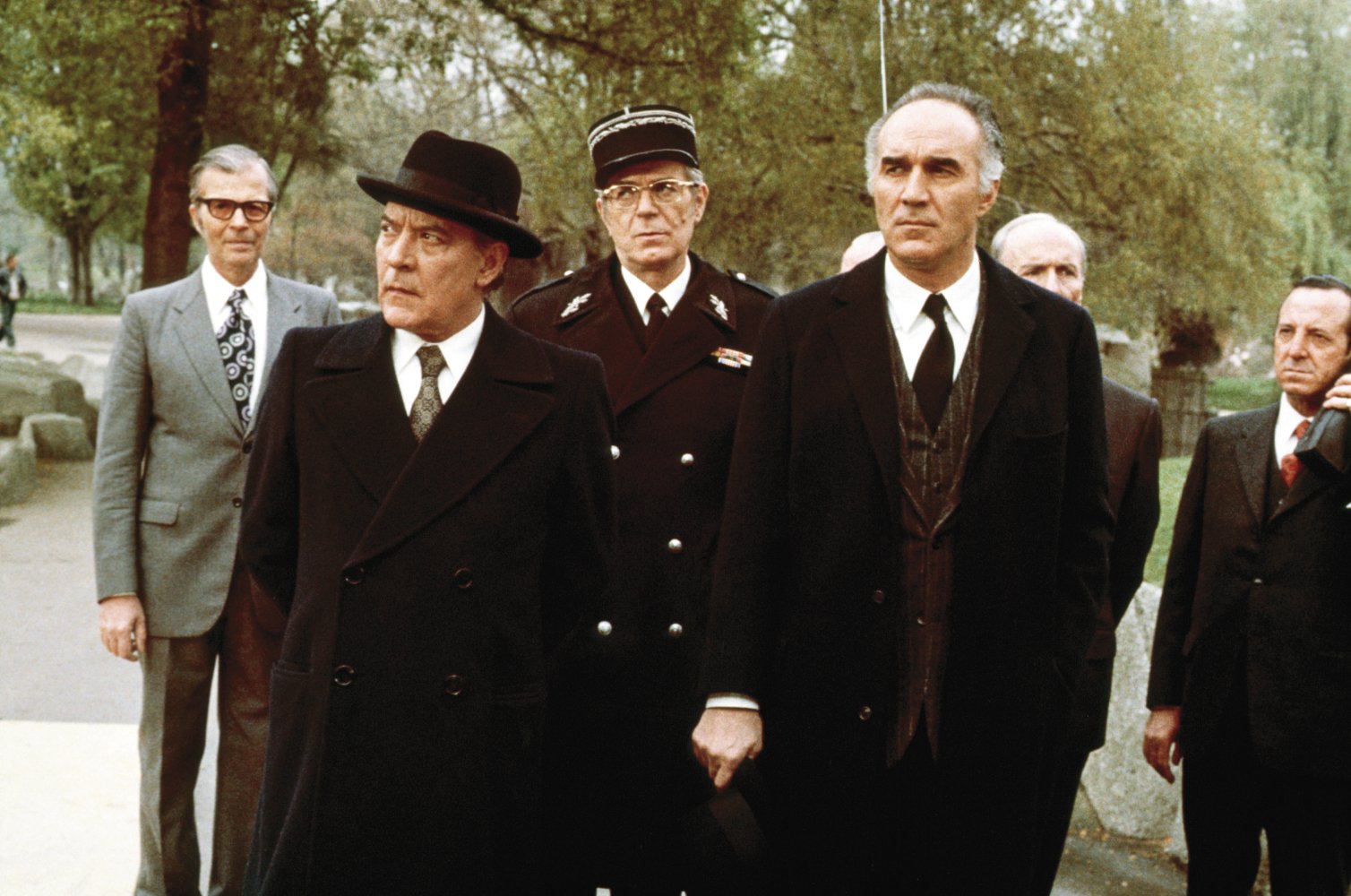
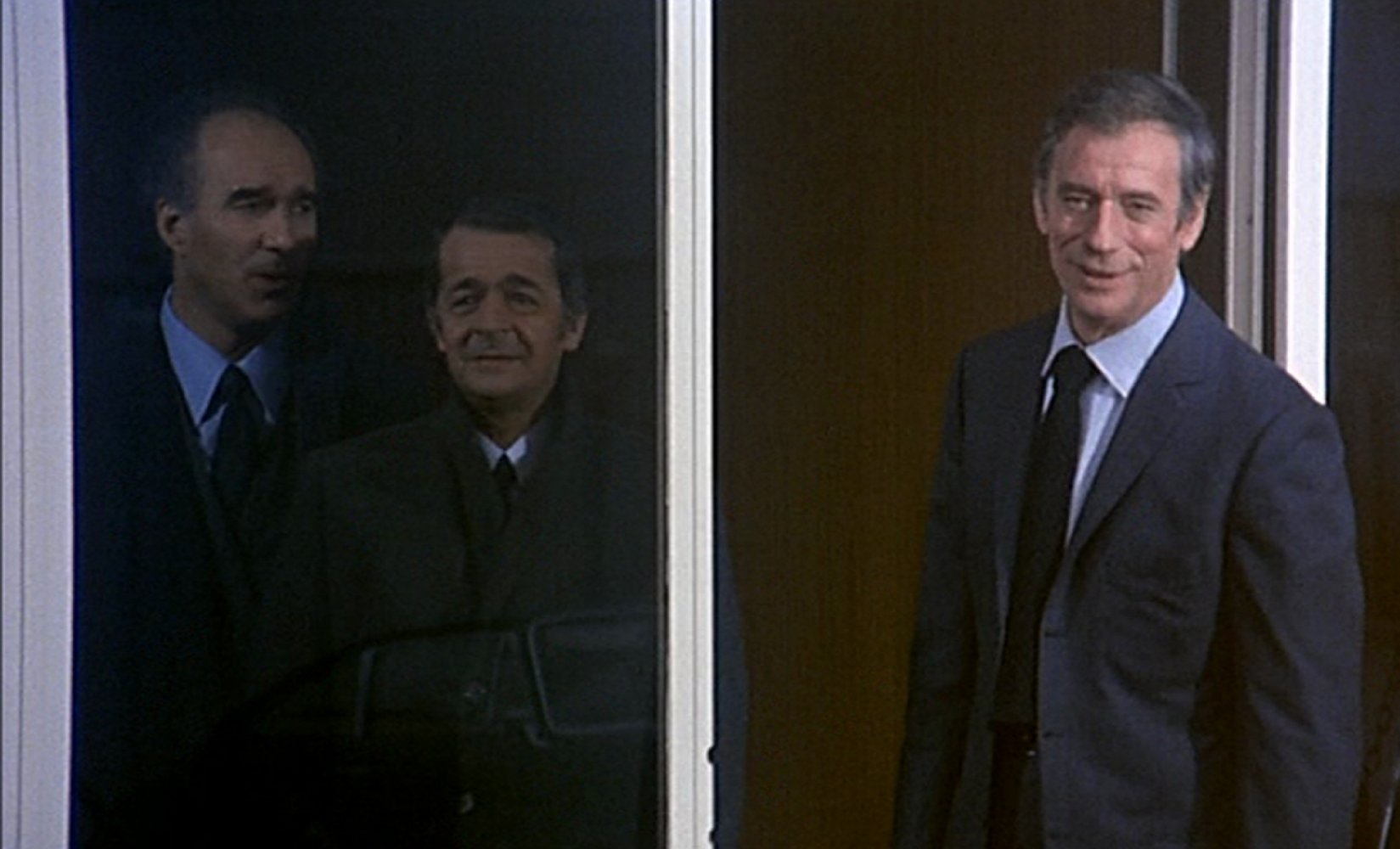
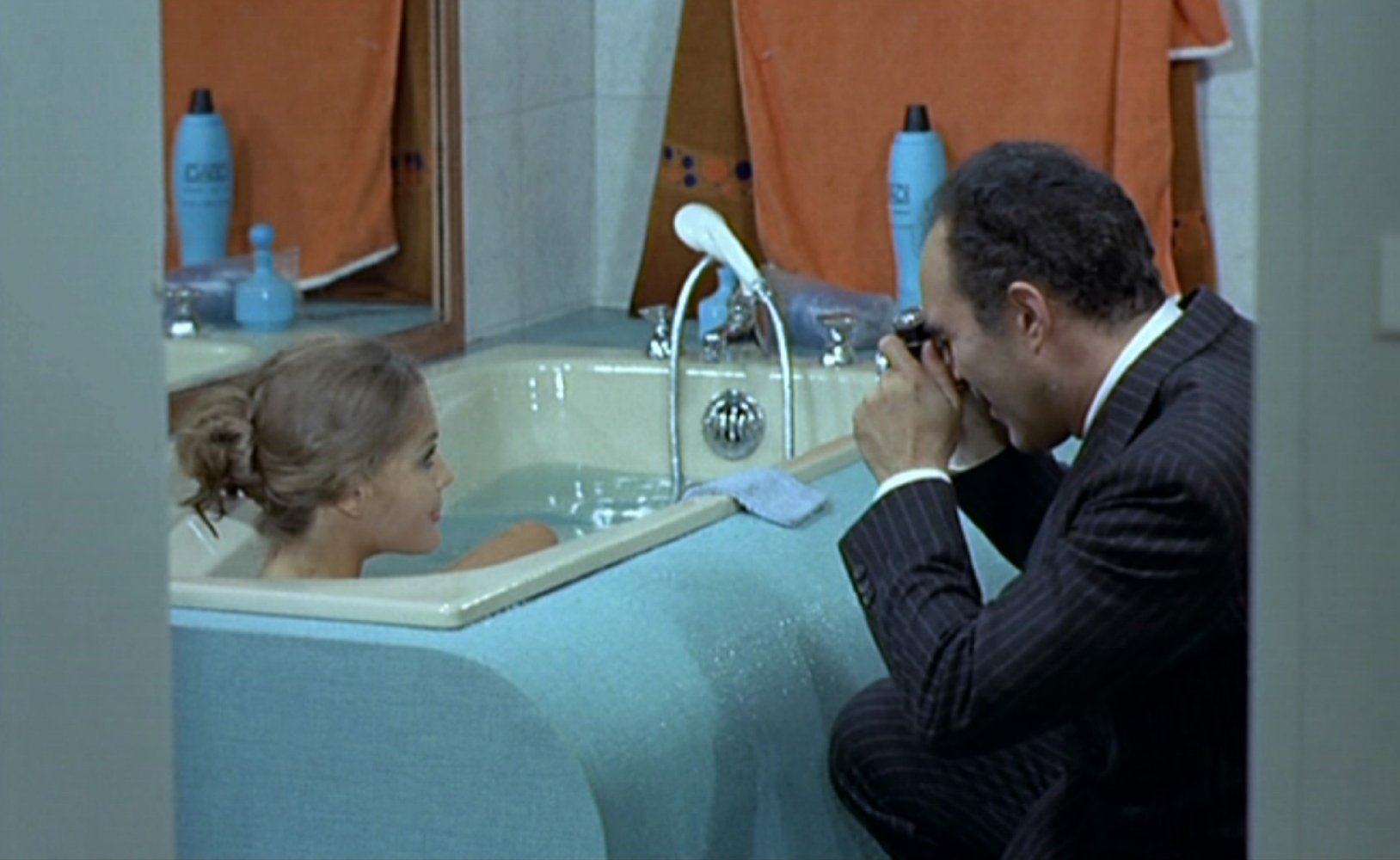
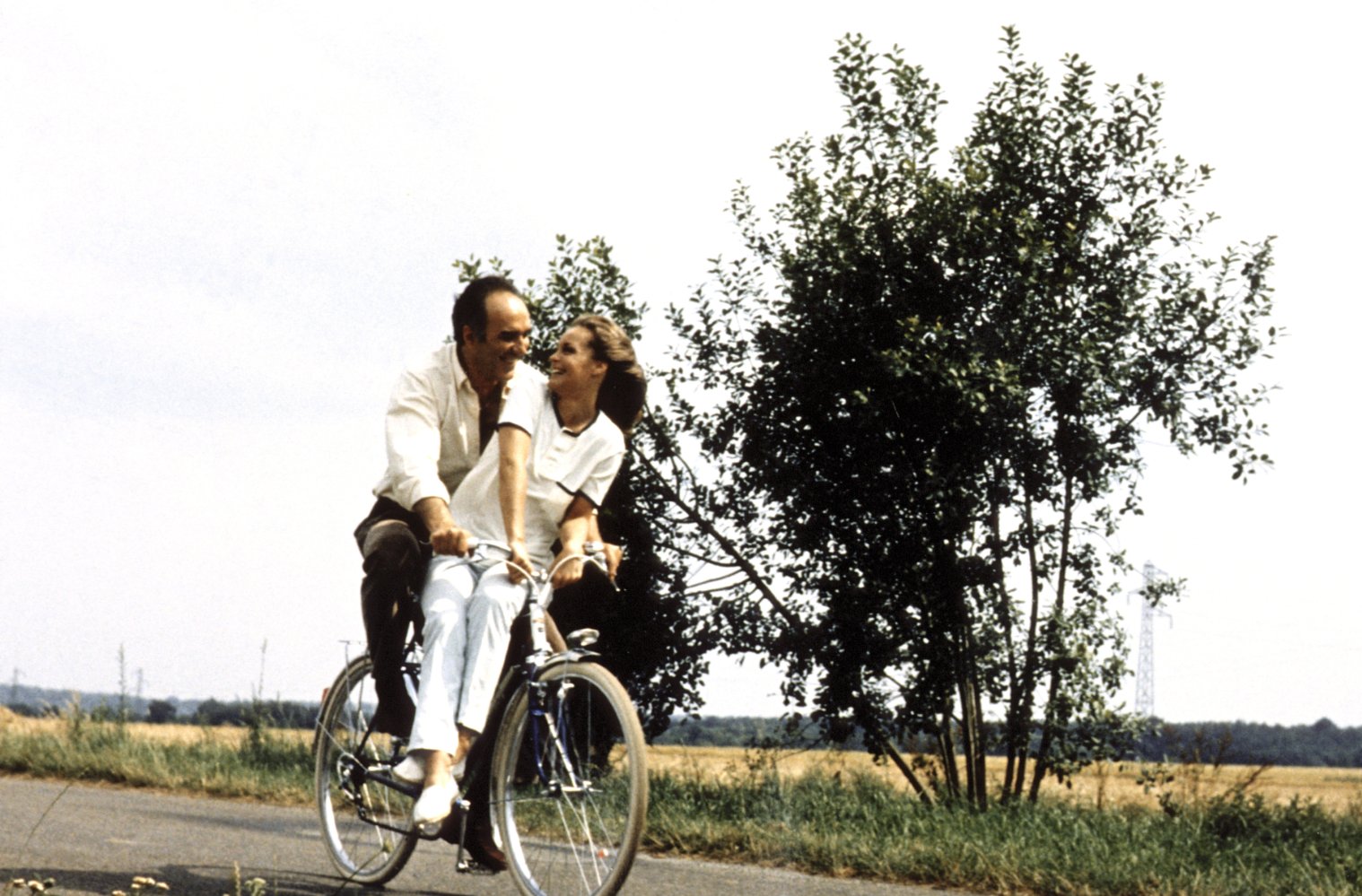
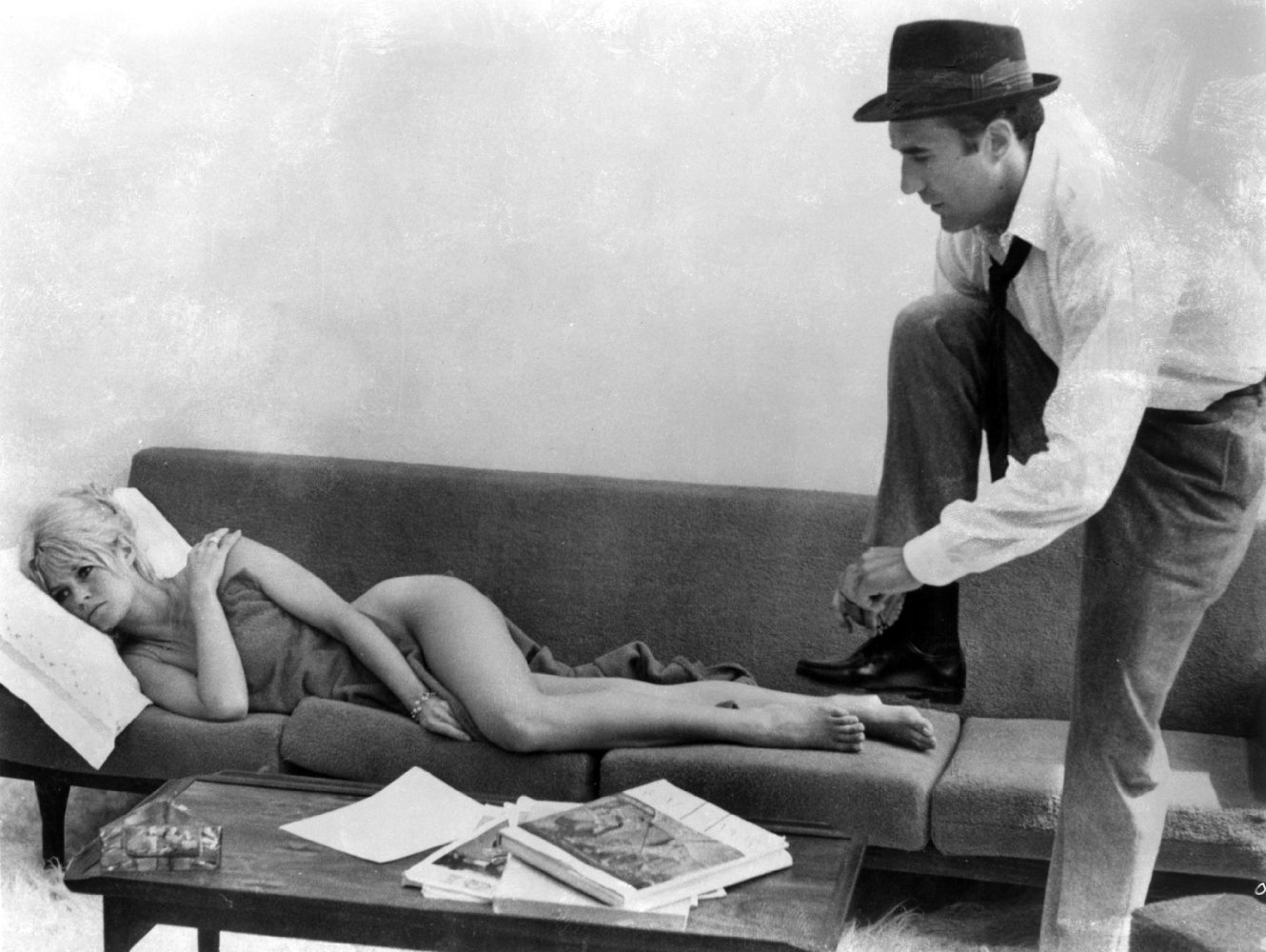
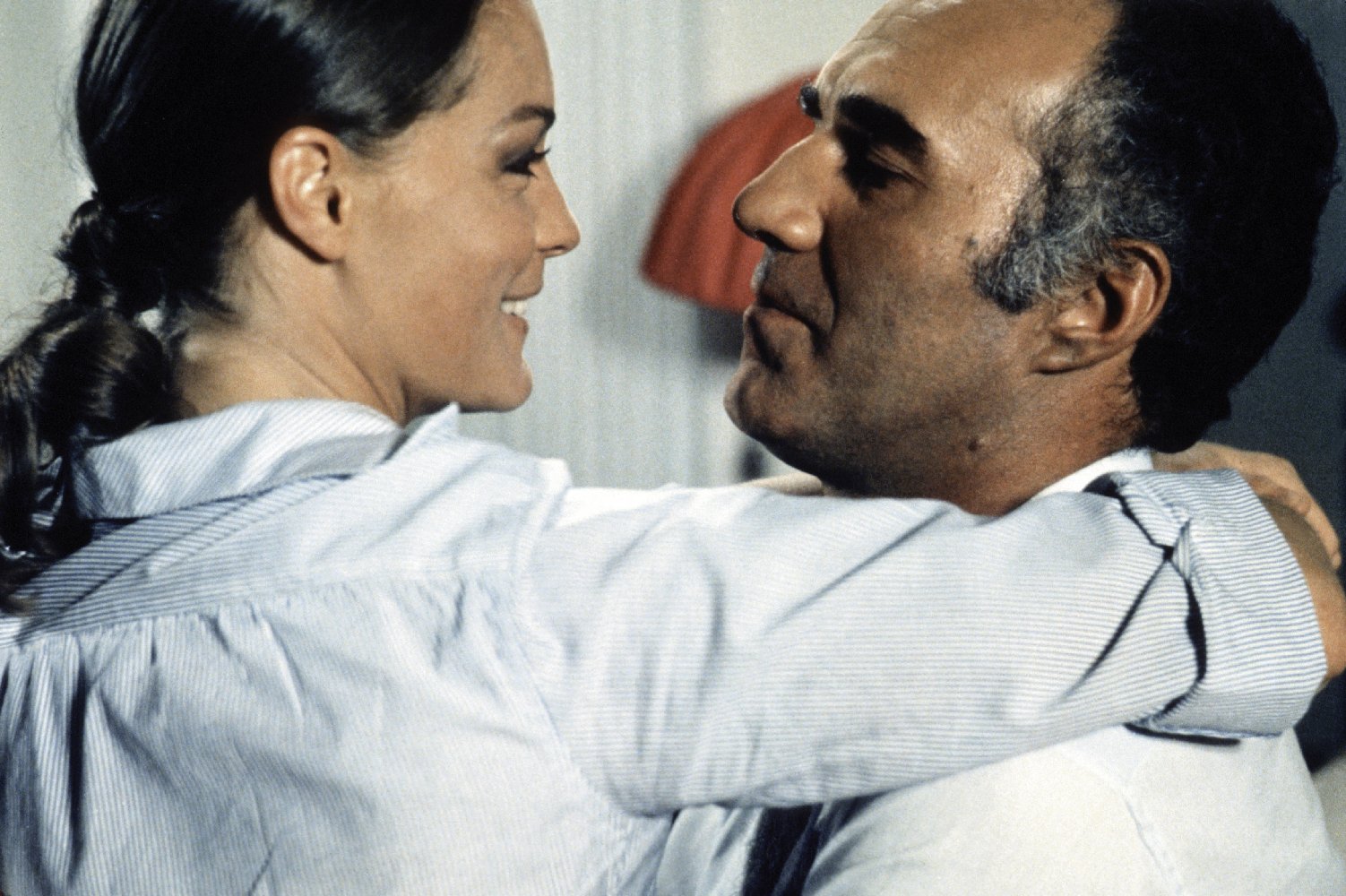
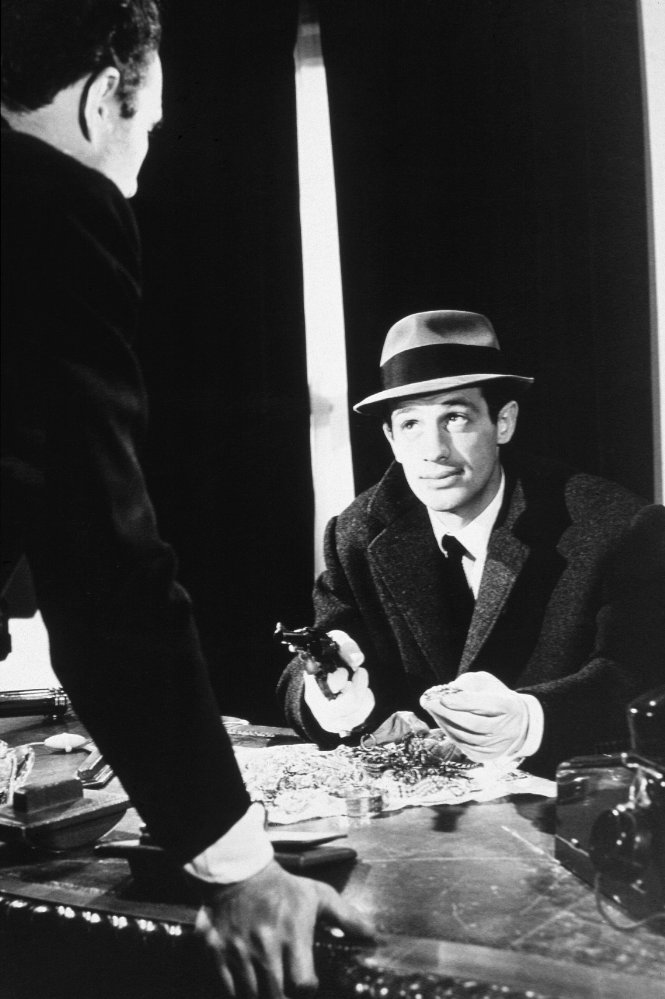
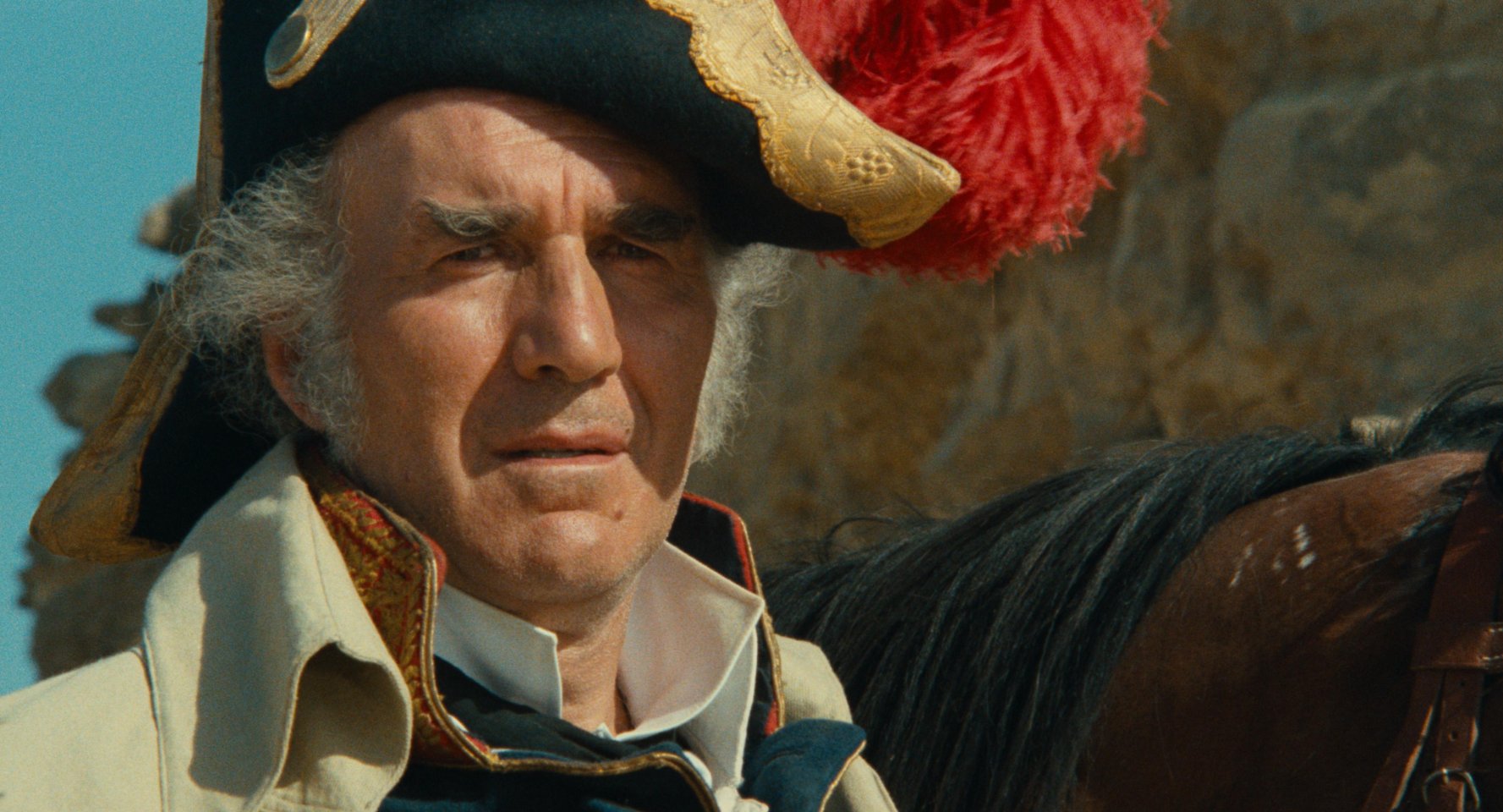
Finally, I have played many loners who were both cerebral and physical. If I had the energy for it, ...Show more »
Finally, I have played many loners who were both cerebral and physical. If I had the energy for it, I would write my two lives, psychoanalyze myself via the psychoanalysis of the characters whom I've played. That could explain why I went in this direction, why different directors employed me in an ultimately similar way. An introspection of myself and of the characters with whom I had a feast, to talk in a culinary way. Show less «
It often happens that I listen to the way my partner speaks and respond accordingly. Sometimes I act...Show more »
It often happens that I listen to the way my partner speaks and respond accordingly. Sometimes I act alone; sometimes I am extremely attentive to my partner, in order to juggle with what s/he contributes. An attentive listening can suffice to act. I have even explored this possibility to the nth degree, in a sort of improvisation based uniquely on listening to my partner and the director, because deliberately as an exercise I hadn't read the script beforehand. I don't remember the title of the film [...]. I was fortunate to be more on the watch for the director, in the theatre or in the cinema, than of myself or of the character I play, and even of my partner. Listening, entering into the secret, has always been my way keeping my bearings - in order to be the best marionette that they had imagined. I have never been self-sufficient, unlike many actors. I like extremely discreet actors, who thus open up the imagination. To be really immodest, you would have to let loose in way that you would never dare in real life; I can't stand actors who let go unenthusiastically or modestly. Show less «
[on Luis Buñuel] He showed us we didn't need to be afraid of existence and the catastrophes of exis...Show more »
[on Luis Buñuel] He showed us we didn't need to be afraid of existence and the catastrophes of existence. For him, those catastrophes were lies, political lies, fascism, Franco, and the Pope. Show less «
[on working with Luis Buñuel] Buñuel was very strict, strict about everything. If you drink, you d...Show more »
[on working with Luis Buñuel] Buñuel was very strict, strict about everything. If you drink, you drink the right way. If you want to go look at girls, fine. But from two o'clock to four o'clock, you can't live a dissolute life. He never went to go look at girls. Maybe when he was young. I hope so. Show less «
When I act, I am rather far away from the film's crew, in the camera but distant from everyone; same...Show more »
When I act, I am rather far away from the film's crew, in the camera but distant from everyone; same thing in the theatre. Nevertheless, the acting must be very precise; the focus is sharp; the sounds of the text are audible, as clear as they can be. At the same time, I like very much to improvise in acting, like a painter adding a stroke here or there -then something faint or completely dark becomes visible, where we don't see the inner workings. I like to work in disorder and with the disorder of my partner, and also with the disorder that can exist in the director's imaginary or that of the writer, to have this kaleidoscope in me and to try make something of it immediately comprehensible. Or rather often, I enjoy being very comprehensible, and I introduce a lost moment, a blank, and an empty space in order to take off again in the construction that has been asked of me [...]. To interrupt a sentence, to change key. I like to be very sure of what I am going to do and thanks to that, to allow myself shortcuts. To this idea of disorder that I practice should be added: imagination. It's a matter of remaining on hold in the disorder that can exist when you think or say something. It would be the opposite of an automatic mechanism, of an expertise or of a professionalism. In fact, I like constantly to do exercises. There are musicians who practice all the time but we actors are not able to do that. We don't have an instrument, except if you say we are our own instrument, and yet [...] I always try to continue searching and working for the moment where you have to deliver. The Italian comic actor Toto was a role model for me. He was more than an actor; he was in his imagination, entirely. It is said that he never learned his text: when he had something long to say, he took off in a delirium, a logorrhea whose end his partners would await. It wasn't ham-acting or disregard for his fellow actors. He was inventing, writing as he acted what he had to play. I would like very much to be able to do that. Show less «
[on Brigitte Bardot] With Brigitte the relations were very courteous but no more than that. She did ...Show more »
[on Brigitte Bardot] With Brigitte the relations were very courteous but no more than that. She did not want to make an effort to understand. Show less «
This métier necessitates farce. If you are bewitched by your own personality, bewitched by yourself...Show more »
This métier necessitates farce. If you are bewitched by your own personality, bewitched by yourself, by the public or by the camera - the actor is inevitably immodest - but possesses a great awareness of the comic. I rather like the Italian expression "io faccio l'attore." The Italians don't say "I am an actor"; they say "io faccio l'attore." I would like to follow this idea to its logical end, to act like a marionette. Show less «
-
Michel Piccoli's FILMOGRAPHY