-
-

-
- HOME
- MOVIES
- TV-SERIES
- WATCHED
- LAST ADDED
- RELEASE
-
GENRES
- All
- Action
- Adventure
- Animation
- Benefit concert
- Biography
- Christmas
- Comedy
- Costume
- Crime
- Documentary
- Drama
- Family
- Fantasy
- Game-Show
- Historical fiction
- History
- Horror
- Kung-Fu
- Music
- Musical
- Mystery
- Mythological
- News
- Psychological
- Reality-TV
- Romance
- Sci-Fi
- Short
- Sitcoms
- Sport
- Stand-up Comedy
- Talk-Show
- Thriller
- TV Show
- War
- Western
-
COUNTRY
- All
- Afghanistan
- Argentina
- Armenia
- Asia
- Australia
- Austria
- Bahamas
- Bangladesh
- Belgium
- Belize
- Bolivia
- Bosnia and Herzegovina
- Brazil
- Bulgaria
- Cambodia
- Canada
- Chile
- China
- Colombia
- Croatia
- Cuba
- Czech Republic
- Denmark
- Dominican Republic
- Euro
- Finland
- France
- Georgia
- Germany
- Greece
- Hong Kong
- Hungary
- Iceland
- India
- Indonesia
- International
- Iran
- Ireland
- Israel
- Italy
- Japan
- Jordan
- Kenya
- Korea
- Lebanon
- Lithuania
- Luxembourg
- Malaysia
- Mali
- Malta
- Mexico
- Mongolia
- Morocco
- Netherlands
- New Zealand
- Nigeria
- Norway
- Pakistan
- Palestine
- Panama
- Peru
- Philippines
- Poland
- Portugal
- Romania
- Russia
- Samoa
- Senegal
- Serbia
- Singapore
- Slovenia
- Somalia
- South Africa
- South Korea
- Spain
- Sudan
- Sweden
- Switzerland
- Taiwan
- Thailand
- Trinidad and Tobago
- Turkey
- Uganda
- Ukraine
- United Arab Emirates
- United Kingdom
- United States
- Uruguay
- Venezuela
- Vietnam
- TOP-IMDB
-
FeedbackFeedback about this page?CancelSend feedback
-
Filter
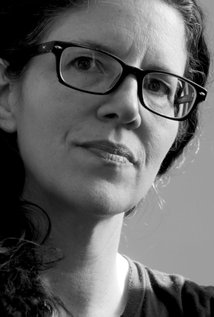
Laura Poitras
Birthday: 2 February 1964, Boston, Massachusetts, USA
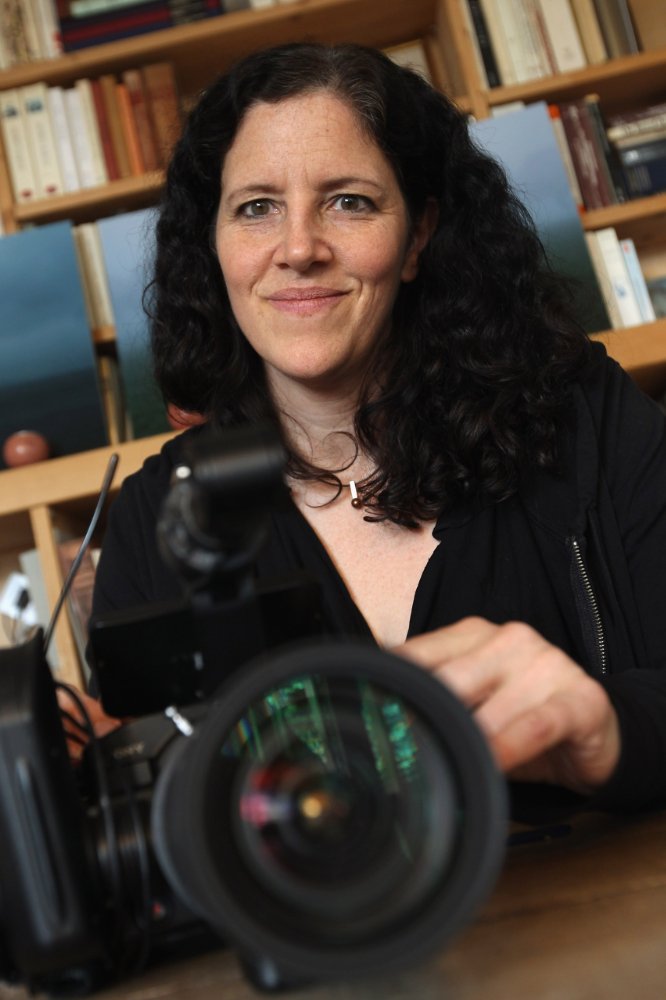
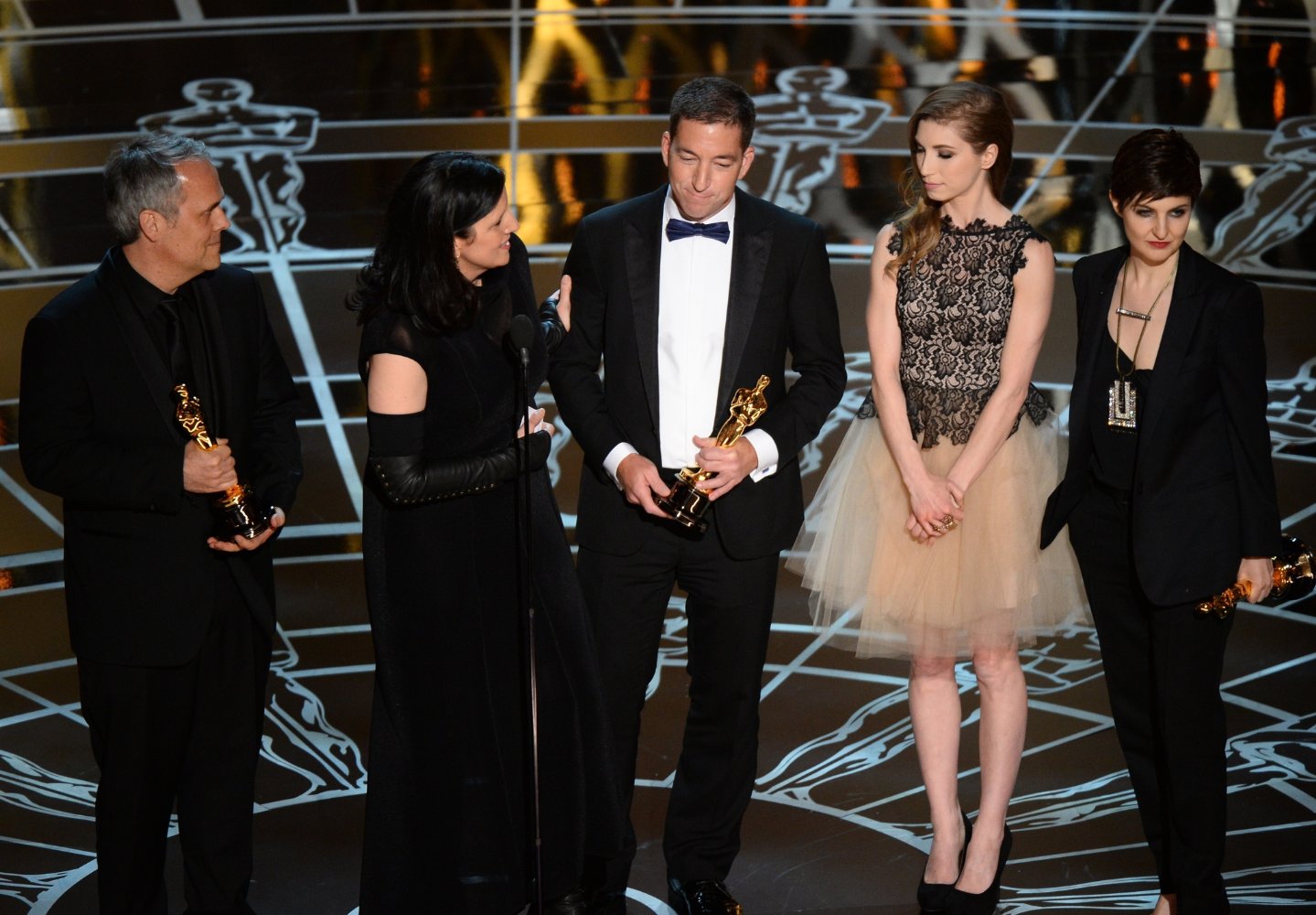
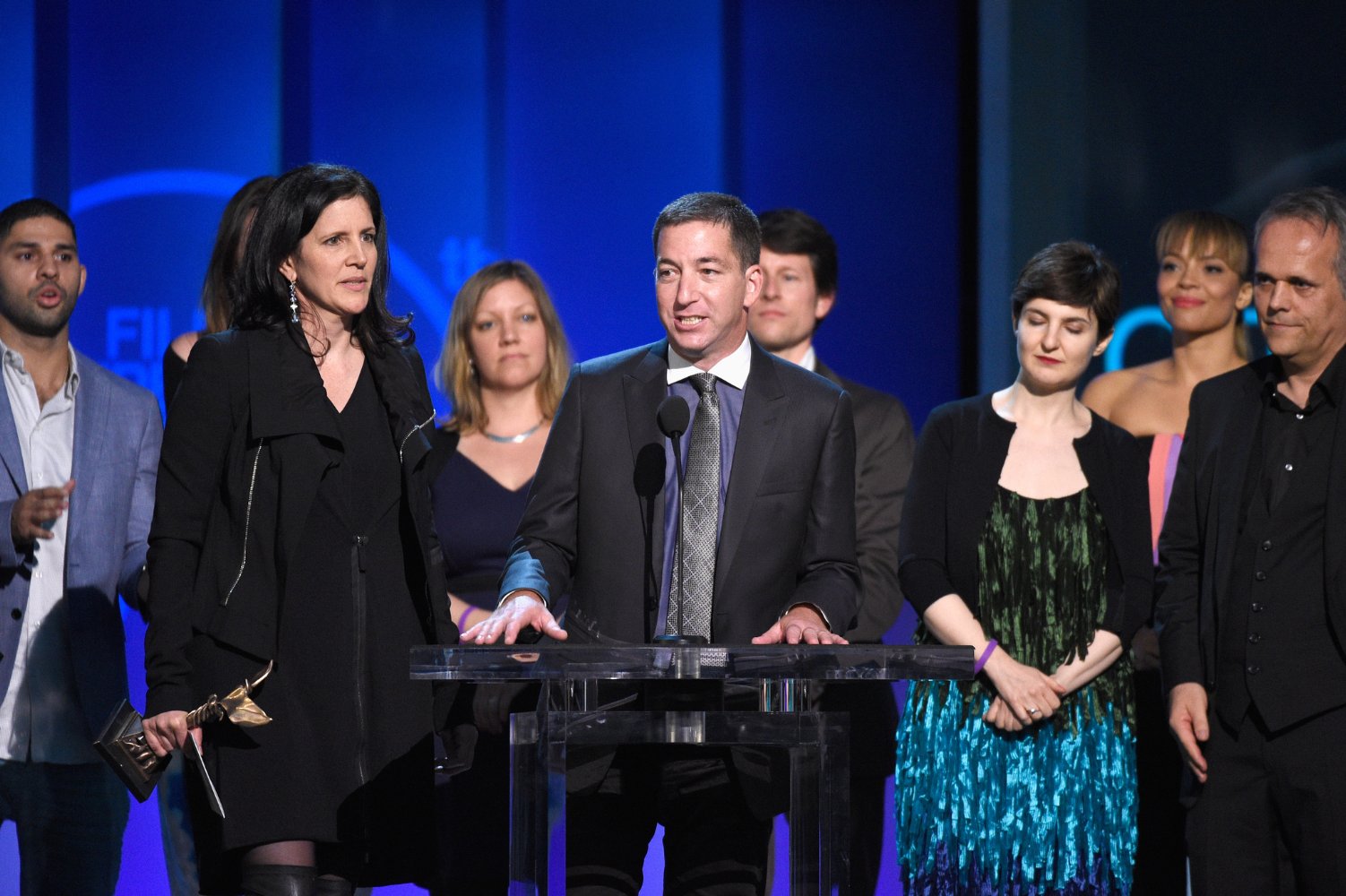
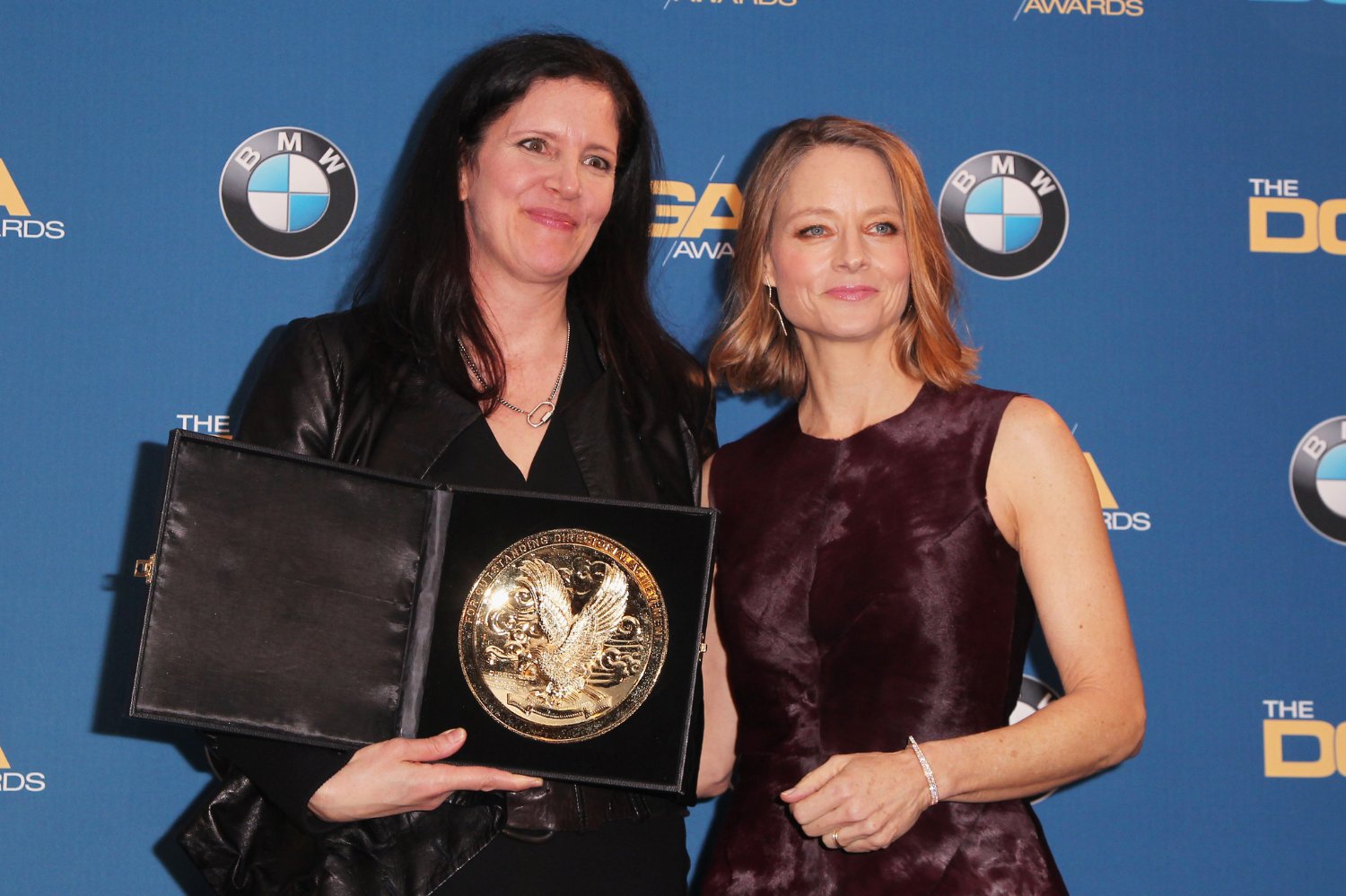
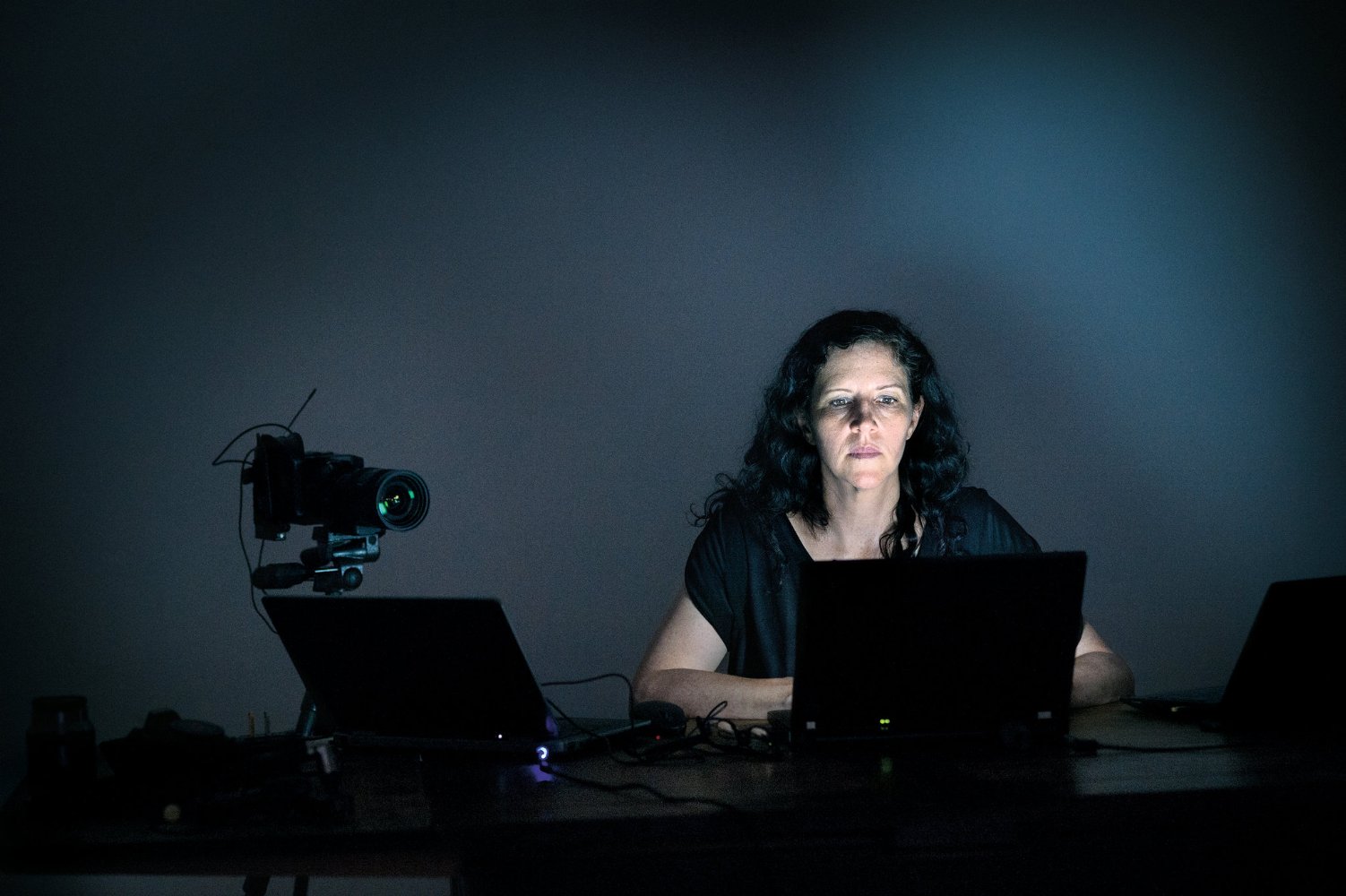
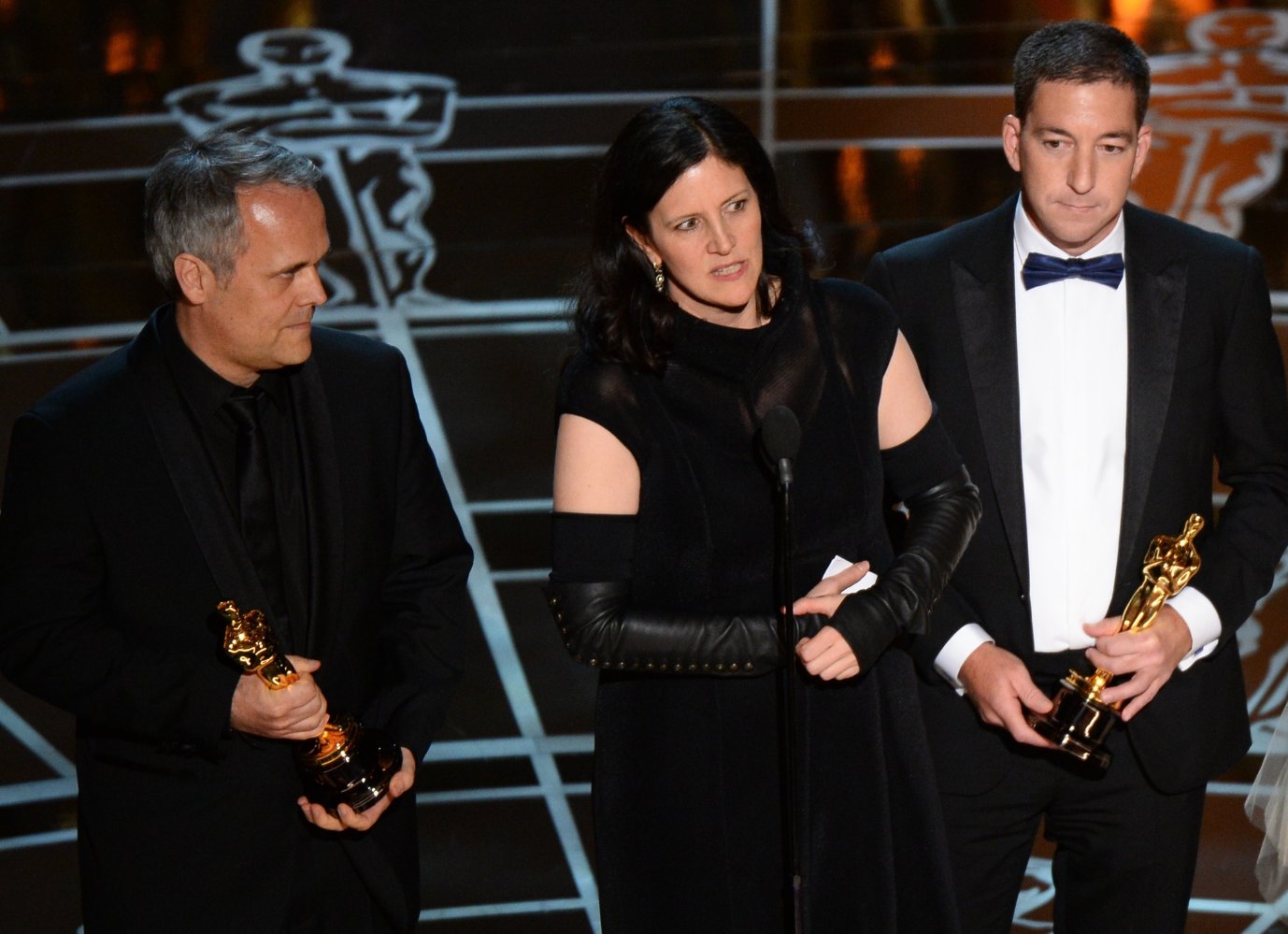
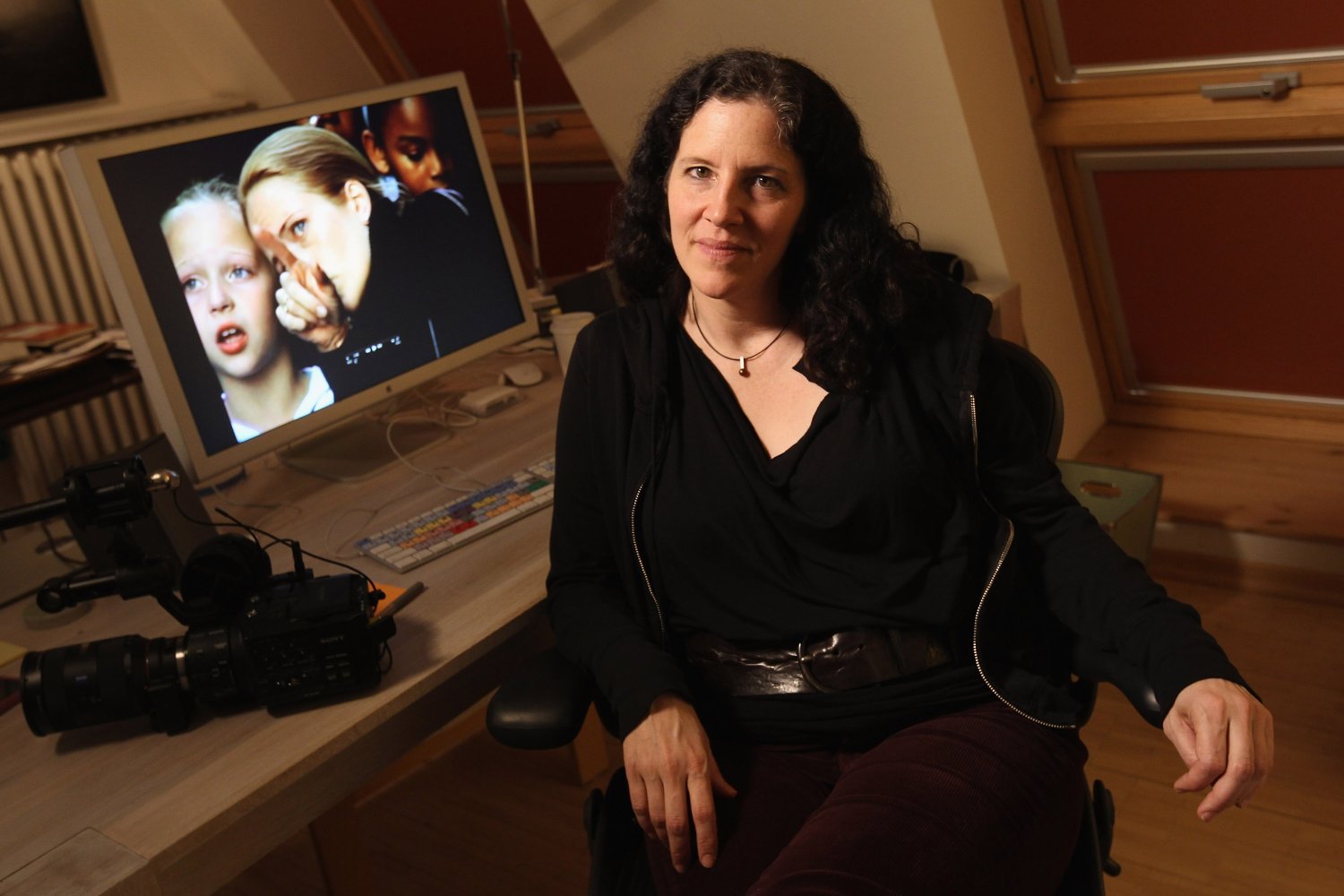
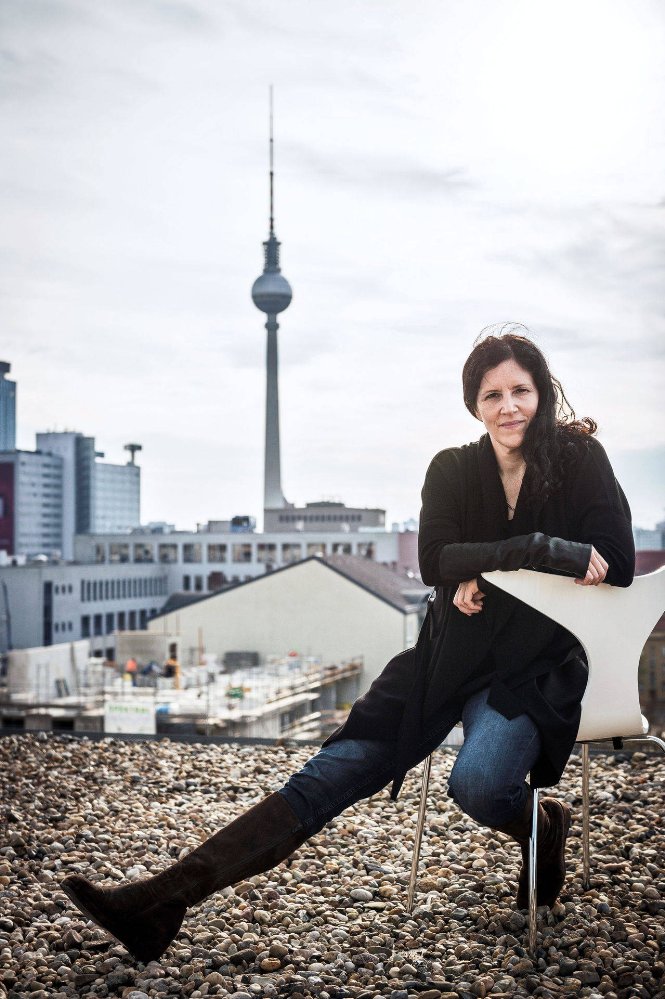
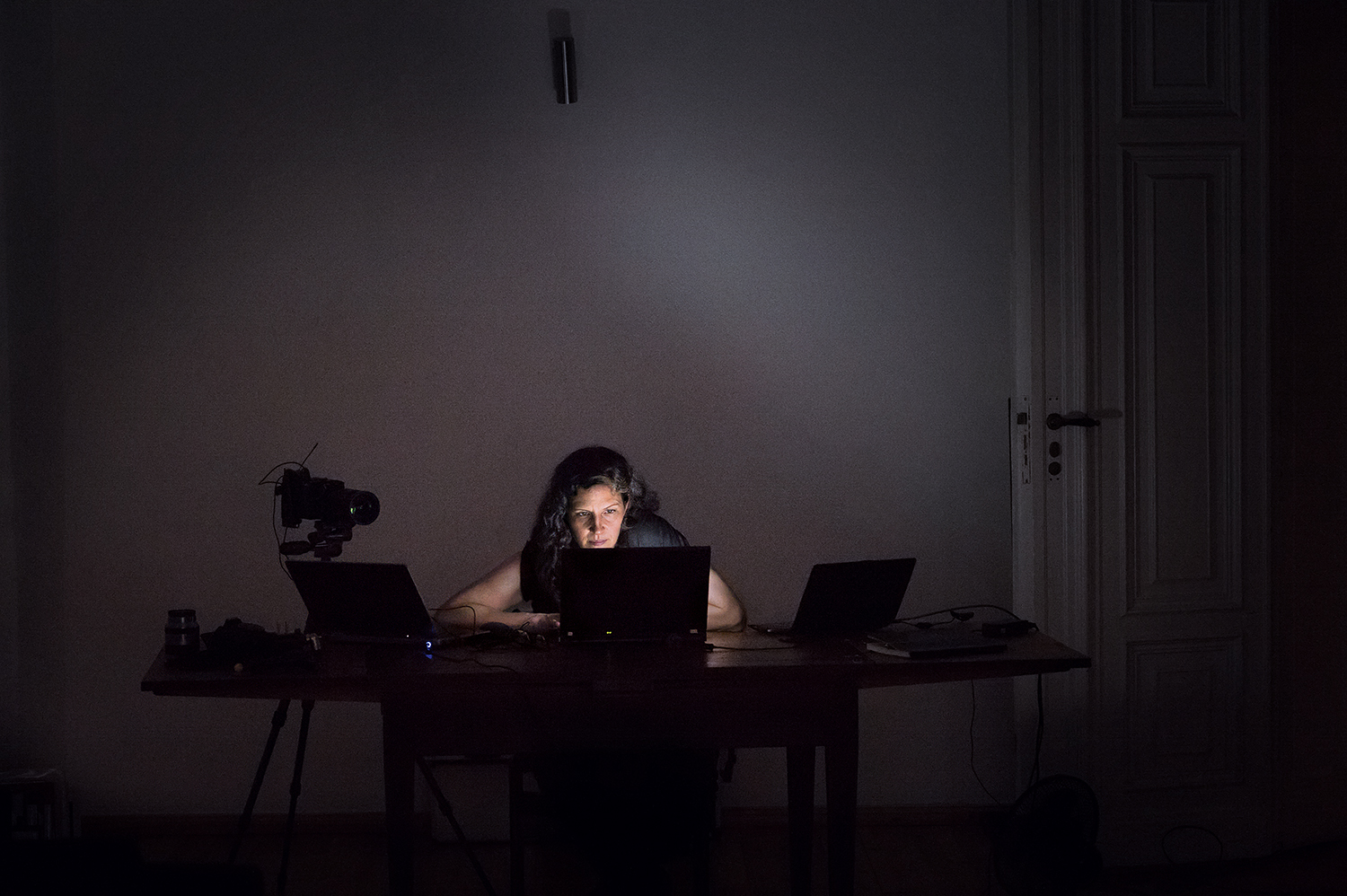
Laura Poitras was born on February 2, 1964 in Boston, Massachusetts, USA. She is a producer and cinematographer, known for Citizenfour (2014), The Oath (2010) and My Country, My Country (2006).
[on her biography] I had come out of this very experimental background and I really felt like I woul...Show more »
[on her biography] I had come out of this very experimental background and I really felt like I would spend my career making small, essay-type films. I'm a pretty shy person; it's not that comfortable for me to enter into people's lives and it never occurred to me that I could do this kind of documentary where you're really following someone's journey very closely. I learned the magic of that during this film [ My Country, My Country (2006)]. Now, filming people is actually the thing that I live for. There is a kind of magic that someone like Albert Maysles talks about where there's just this incredible connection with your subjects and something profound is happening, a palpable human drama unfolding. That feeling is the compass for everything I do now. And when I get that feeling of knowing that that kind of moment is happening - and it can be something as simple as someone making tea or as frightening as a judge coming to inspect a house and maybe getting evicted - there's a definite pulse and you feel it. And that was something I discovered, really stumbled into, making Flag Wars (2003). But it's absolutely about that connection with people and capturing those moments on camera that guides my work, quite different from composing something beautiful in a more detached way. That was a transformative lesson for me.[2008] Show less «
[on video installation] I want to do a video installation when I finish these films. When you make a...Show more »
[on video installation] I want to do a video installation when I finish these films. When you make a documentary, you shoot huge amounts of footage and then cut scenes and shift stuff around in service to the story you're telling. With the installation, I want to take people on a journey. When I went to Abu Ghraib [for My Country, My Country (2006)], I filmed for two hours. In the end, I cut a three-minute scene, so the installation will allow the viewer to spend more time in these places. It's a contribution to the growing archive.[2008] Show less «
[on Julian Assange] I started shooting around these themes in 2011, and I'd filmed quite a bit with ...Show more »
[on Julian Assange] I started shooting around these themes in 2011, and I'd filmed quite a bit with both Julian and other NSA whistleblowers. We learned, in the editing room, that I'd shot two films. There's another film to be made, focusing on Julian. This was the aftermath. (...) Julian and Sarah Harrison deserve enormous credit for taking the risks to help Edward Snowden get out of Hong Kong. I think once the charges were filed and extradition orders placed, it wasn't a safe place for him to be. He and Sarah Harrison took enormous risks to help him seek political asylum. Sarah, right now, doesn't feel she can return to the U.K. They deserve acknowledgement for that. I think what happened is that they applied in many countries. I don't think the intention, ever, was that he would stay in Russia, but that's what happened.[2015] Show less «
[on the death of Albert Maysles] This is a tragic loss for filmmakers around the world. Al touched s...Show more »
[on the death of Albert Maysles] This is a tragic loss for filmmakers around the world. Al touched so many lives with his camera. Through his lens he expressed profound empathy for the people he filmed. I first saw Gimme Shelter (1970) when I was 14 and it changed my life. His work inspired generations of filmmakers, and paved new ground for non-fiction storytelling. His body of work is as vital today as it was the day it was released. This is a very sad day. Al will be deeply missed.[March 6th 2015] Show less «
[talking about her first version of Risk (2016) that premiered in Cannes 2016, but wasn't released] ...Show more »
[talking about her first version of Risk (2016) that premiered in Cannes 2016, but wasn't released] It went back into it thinking that maybe it would be a multi-part movie with a chapter structure. The material lent itself to that, and also I was interested in working in different kind of ways. I liked the idea of not being able to cut scenes so short. Like, the opening scene, which has this amazing footage between the State Department and Julian [Julian Assange] and Sarah [Sarah Harrison] - I was able to let that play out in a dramatic way, which would have been kind of impossible in a traditional structure. I'm not sure how I would have cut that down to a three-minute scene. To me, doing chapters was great. Documentary filmmaking is always about time compression, unless you're looking at Andy Warhol's films, where the whole point is that there's no time compression. But I really liked being able to allow things to be less compressed. [May 2016] Show less «
[talking about the first version of _Risk (2016/I) that premiered at Cannes 2016, but was not releas...Show more »
[talking about the first version of _Risk (2016/I) that premiered at Cannes 2016, but was not released] And the truth is, he [Julian Assange] does have nerves of steel. You can't be in this situation without being able to keep control of your emotions, and I think that kind of comes through in this interview [in the Cannes version of "Risk"]. I've probably never seen anybody under such tense circumstances for such a prolonged period of time, with so many really powerful adversaries who really hate him. And yet he stays focused on the work. [May 2016] Show less «
[on process] I'm someone who has a profound respect for process. Trusting process probably speaks to...Show more »
[on process] I'm someone who has a profound respect for process. Trusting process probably speaks to my experience as a cook, as well as to my experience as a filmmaker. Going into a war zone you have to be present, in the moment. I think if you approach any of these things [awards] as a goal, desiring the end product before you've even begun the process, you're fucked. Particularly in a situation like Iraq, you have to be there for the right reasons. Your life is on the line and so are the lives of the people around you. The right reason is not to make a successful film; the right reason is that you're trying to express something and trying to honor those people who are trusting you with their lives. It's a real reality check. Of course, I also want people to see my films; I want them to be successful. But when everyone you know has got their lives on the line, you better be doing things straight. Your intentions have to be clean.[2008] Show less «
[on creativity in documentary form] I saw a lot of documentaries this year and there has been some r...Show more »
[on creativity in documentary form] I saw a lot of documentaries this year and there has been some really amazing storytelling that's happening, that expands your brain in terms of what's possible.[2008] Show less «
[on considering fiction filmmaking] I think about it a lot. I've thought about it as a possibility f...Show more »
[on considering fiction filmmaking] I think about it a lot. I've thought about it as a possibility for the final part of this trilogy. I'm very conflicted about it and it could just be fear that I need to move past. My concern is that I like to work alone. I feel like my strength is my empathy. That could be a liability on a set. I don't know if I'd be able to stay centered in order to keep my vision intact. I worry that I'd be hindered, in a sense, by the apparatus of a narrative shoot. So, to be honest, I don't know if that's the direction I want to go. I find the way Michael Winterbottom works to be really fascinating.(...) I want to keep exploring ways in which I could do narrative work that has an organic documentary quality to it. It comes back to the magic of the moment I was speaking of before, where you know you're getting something - the immediacy of that. Shot lists and the careful choreography of a narrative would, perhaps, make me feel unsure of what I was actually getting.(...) But then you see a film like Le scaphandre et le papillon (2007) - now we're talking! It's a perfect movie. There was something there that was so magical, a transliteration of consciousness. It demonstrated how one can illustrate consciousness in cinema. If you're talking in those terms, then yeah, I'd love to attack something like that. That's extraordinary. But when I think of doing a narrative project, I worry that it would feel dead on arrival. Then again, I didn't think I was going to make documentaries. I thought I was going to make experimental essay films, so I could find a different life-force in fiction filmmaking that I just can't imagine at this point.[2008] Show less «
[on artistic collaboration] Although I like to work alone, I also love collaborating, to feed off of...Show more »
[on artistic collaboration] Although I like to work alone, I also love collaborating, to feed off of other people's creative visions. For instance, the music for My Country, My Country (2006) by Kadim Al Sahir, an amazing composer - working with him was tremendous. I think artists like Björk or Radiohead would appeal to me, as well - doing a score with people like that would also be amazing - the people who are doing things that are so innovative, so unique, being able to riff off works that those people create is really compelling.[2008] Show less «
[on living in Berlin] There is just a very real historical awareness of how information can be used ...Show more »
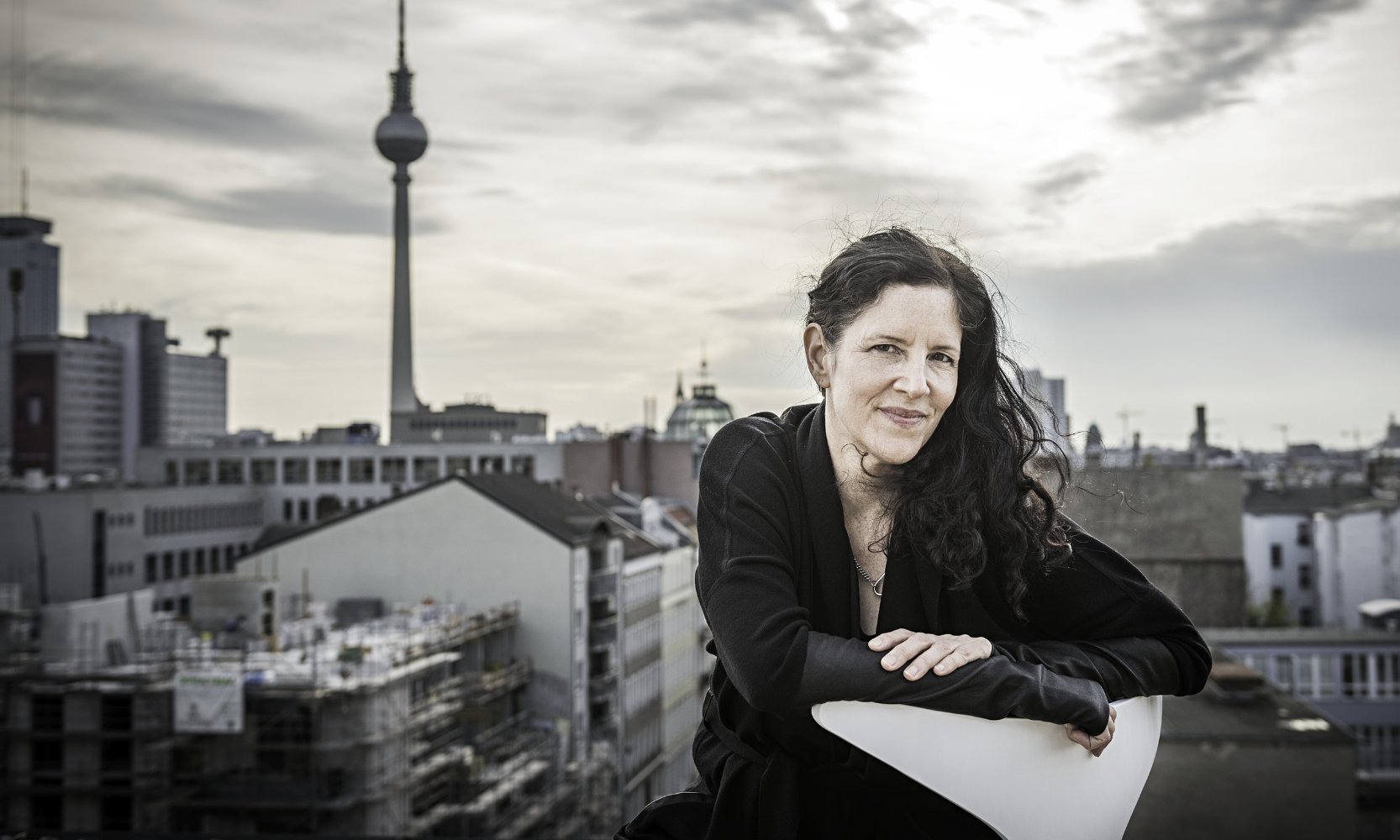
[on living in Berlin] There is just a very real historical awareness of how information can be used against people in really dangerous ways here,(...). There is a sensitivity to it which just doesn't exist elsewhere. And not just because of the Stasi, the former East German secret police, but also the Nazi era. There's a book Jacob Appelbaum talks a lot about that's called "IBM and the Holocaust" [by Edwin Black, first published 2001] and it details how the Nazis used punch-cards to systemise the death camps. We're not talking about that happening with the NSA [National Security Agency], but it shows how this information can be used against populations and how it poses such a danger.[2014] Show less «
[on cinematic style] I made the film with an extraordinary editor, Mathilde Bonnefoy. She cut Lola r...Show more »
[on cinematic style] I made the film with an extraordinary editor, Mathilde Bonnefoy. She cut Lola rennt (1998) and other films by Tom Tykwer, and also non-fiction. As we both come out of a cinema background, we wanted to have something that would play in movie theaters, not just for television, though we do have TV partners who will broadcast it, but we did want cinema. That's why working with Tom Quinn and Radius was really important to us. But we wanted to make a film that wasn't just about breaking news, but was going to play in a year, five years, ten years. It has to have longevity. Show less «
I'm a filmmaker and I love the craft of cinema, and even though I make political cinema, if they don...Show more »
I'm a filmmaker and I love the craft of cinema, and even though I make political cinema, if they don't work as films I haven't done my job. We have fantastic tools at our disposal, silence and cinematic language, and the toolkit is so fantastic that to only use a certain very narrow set of tools is really disappointing. Hopefully more and more filmmakers will be taking risks. And we are seeing more.[2015] Show less «
[on doing 'cinéma vérité'-style documentary] All those moments consist of knowing at that moment ...Show more »
[on doing 'cinéma vérité'-style documentary] All those moments consist of knowing at that moment that you're in the right place at the right time, that certain magic that happens, particularly in verite filmmaking, where you recognize that whatever is happening is extraordinary. You just hold your breath and try to capture it. Those moments really teach you about story, human drama. The 'issue' you're trying to highlight, in a weird way, becomes irrelevant. When you're making present-tense 'cinéma verité' films, the action unfolding as it happens, it becomes all about the choices people make in those circumstances, at those crisis moments, and again capturing that human drama right there.[2008] Show less «
[on her Whitney Museum exhibition (Feb. 5 - May 15, 2016)] I consider myself an artist and I work in...Show more »
[on her Whitney Museum exhibition (Feb. 5 - May 15, 2016)] I consider myself an artist and I work in the film industry [so it has been a question of] how to translate my ideas into an exhibit. It's all new work except there will be one short work that I previously completed and it's going to be installation-based, so it will have a narrative arc, but I am building different rooms and spaces with a beginning middle and an end, with narrative drive. It's more abstract than long-form storytelling; it's going to be broad but it deals with these issues of America post-9/11, such as drones, torture, surveillance, these themes I keep circling back to.[2015] Show less «
[on her educational background] I have an art background, actually. At the 'San Francisco Art Instit...Show more »
[on her educational background] I have an art background, actually. At the 'San Francisco Art Institute', I studied more experimental films with people like Ernie Gehr and George Kuchar, both teaching there at the time. I didn't go there to become a filmmaker; I was actually working as a chef. I did French food for about 10 years, working at very, very fancy places in San Francisco. And the restaurant where I was working at the time went union so my work day went from 14 hours a day to just eight. I had all this free time and I had just moved to San Francisco [from Boston] and didn't know anyone. I registered for this class at the 'San Francisco Art Institute' to learn about Super 8 filmmaking - this was in the late '80s. And my first teacher was Ernie Gehr who is an avant-garde legend, in terms of his structuralist approach to film. The class was kind of mind-blowing for me. Using that camera was a way for me to interpret this new landscape for myself. I picked up this camera and sort of fell in love with it. So when I started shooting and making films, it was using film, Bolex or Super 8. And everything I was watching was made by artist/filmmakers. It wasn't about delegation of craft; you were the artist and you made your own film - as the cinematographer, the director, the producer, the way you cut it, etc., but, totally non-commercial. The avant-garde or experimental film community is an interesting one because they never try to capitalize on their work; they aren't making anything that could be bought as an object. So people like Gehr or Stan Brakhage or Abigail Child or Peggy Ahwesh were really piecing together things that would never make them art stars even though they were doing really amazing work and continue to do amazing work now. After taking several courses here and there, I basically gave up cooking and started working for a nonprofit media organization. And then I came to New York for graduate school in social political theory at the 'New School', so my technical background was filled out by all this social and political theory. I started working as an assistant editor on the Avid system. The transition to doing long-form documentary was doing Flag Wars (2003), which I made in collaboration with Linda Goode Bryant. Both of us had done more experimental work and we had no idea what we were getting into, how much time it would take, which ended up being four years. When we started, the three-chip digital cameras had come on the market and as a filmmaker, someone who shot film and loved the kinds of images that emerged from that process, it was great to discover that the images from these cameras were also beautiful and you could fall in love with these pictures - you can frame an image and you can love it. My motivation was always about capturing something visually, and this aesthetic and the technology convened at the right moment for me - that and cutting non-linearly without it costing a fortune, the new software making it possible to work on a home computer.[2008] Show less «
[on drama] The films that really resonate for me capture a human drama as it unfolds. Someone once a...Show more »
[on drama] The films that really resonate for me capture a human drama as it unfolds. Someone once asked me what drama was. Drama is this [she picks up a plastic honey container and moves it a few inches away to another spot on the table]. It's movement. It's not people talking about what they did but it is what they do and the choices they make. I'm bringing these ideas about drama, which are old ones, into these kinds of contemporary forums and finding those stories. Those principles of documentary filmmaking have been around a long time - what makes a good story? It's finding those compelling characters that are confronting some sort of conflict.[2008] Show less «