-
-

-
- HOME
- MOVIES
- TV-SERIES
- WATCHED
- LAST ADDED
- RELEASE
-
GENRES
- All
- Action
- Adventure
- Animation
- Benefit concert
- Biography
- Christmas
- Comedy
- Costume
- Crime
- Documentary
- Drama
- Family
- Fantasy
- Game-Show
- Historical fiction
- History
- Horror
- Kung-Fu
- Music
- Musical
- Mystery
- Mythological
- News
- Psychological
- Reality-TV
- Romance
- Sci-Fi
- Short
- Sitcoms
- Sport
- Stand-up Comedy
- Talk-Show
- Thriller
- TV Show
- War
- Western
-
COUNTRY
- All
- Afghanistan
- Argentina
- Armenia
- Asia
- Australia
- Austria
- Bahamas
- Bangladesh
- Belgium
- Belize
- Bolivia
- Bosnia and Herzegovina
- Brazil
- Bulgaria
- Cambodia
- Canada
- Chile
- China
- Colombia
- Croatia
- Cuba
- Czech Republic
- Denmark
- Dominican Republic
- Euro
- Finland
- France
- Georgia
- Germany
- Greece
- Hong Kong
- Hungary
- Iceland
- India
- Indonesia
- International
- Iran
- Ireland
- Israel
- Italy
- Japan
- Jordan
- Kenya
- Korea
- Lebanon
- Lithuania
- Luxembourg
- Malaysia
- Mali
- Malta
- Mexico
- Mongolia
- Morocco
- Netherlands
- New Zealand
- Nigeria
- Norway
- Pakistan
- Palestine
- Panama
- Peru
- Philippines
- Poland
- Portugal
- Romania
- Russia
- Samoa
- Senegal
- Serbia
- Singapore
- Slovenia
- Somalia
- South Africa
- South Korea
- Spain
- Sudan
- Sweden
- Switzerland
- Taiwan
- Thailand
- Trinidad and Tobago
- Turkey
- Uganda
- Ukraine
- United Arab Emirates
- United Kingdom
- United States
- Uruguay
- Venezuela
- Vietnam
- TOP-IMDB
-
FeedbackFeedback about this page?CancelSend feedback
-
Filter
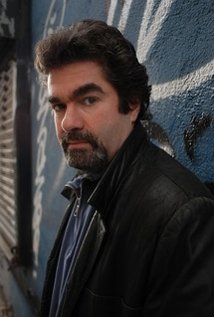
Joe Berlinger
Birthday: 30 October 1961, Bridgeport, Connecticut, USA
Academy Award and seven-time Emmy nominated and Peabody and Emmy-winning filmmaker Joe Berlinger has been a leading voice in nonfiction film and television for two decades. Berlinger's films include the landmark documentaries BROTHER'S KEEPER, the PARADISE LOST Trilogy, which helped lead to the recent release of the wrongfully-convicted W...
Show more »
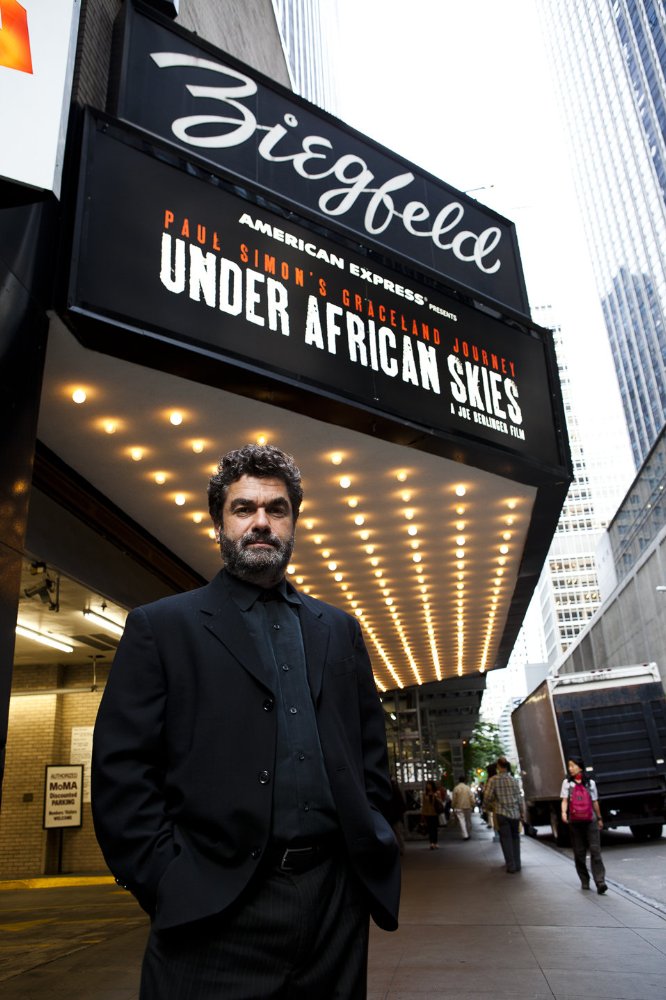
Academy Award and seven-time Emmy nominated and Peabody and Emmy-winning filmmaker Joe Berlinger has been a leading voice in nonfiction film and television for two decades. Berlinger's films include the landmark documentaries BROTHER'S KEEPER, the PARADISE LOST Trilogy, which helped lead to the recent release of the wrongfully-convicted West Memphis Three, and METALLICA: SOME KIND OF MONSTER, a film that re-defined the rockumentary genre. CRUDE, about oil pollution in the Amazon Rainforest, won 22 human rights, environmental and film festival awards and recently triggered a high profile First Amendment battle with oil-giant Chevron. Five of Berlinger's documentary features, including his Emmy-nominated 2012 Paul Simon documentary UNDER AFRICAN SKIES, have premiered at the Sundance Film Festival, earning three Grand Jury Prize nominations. He has also received multiple awards from the Directors Guild of America, the National Board of Review and the Independent Spirit Awards. Show less «
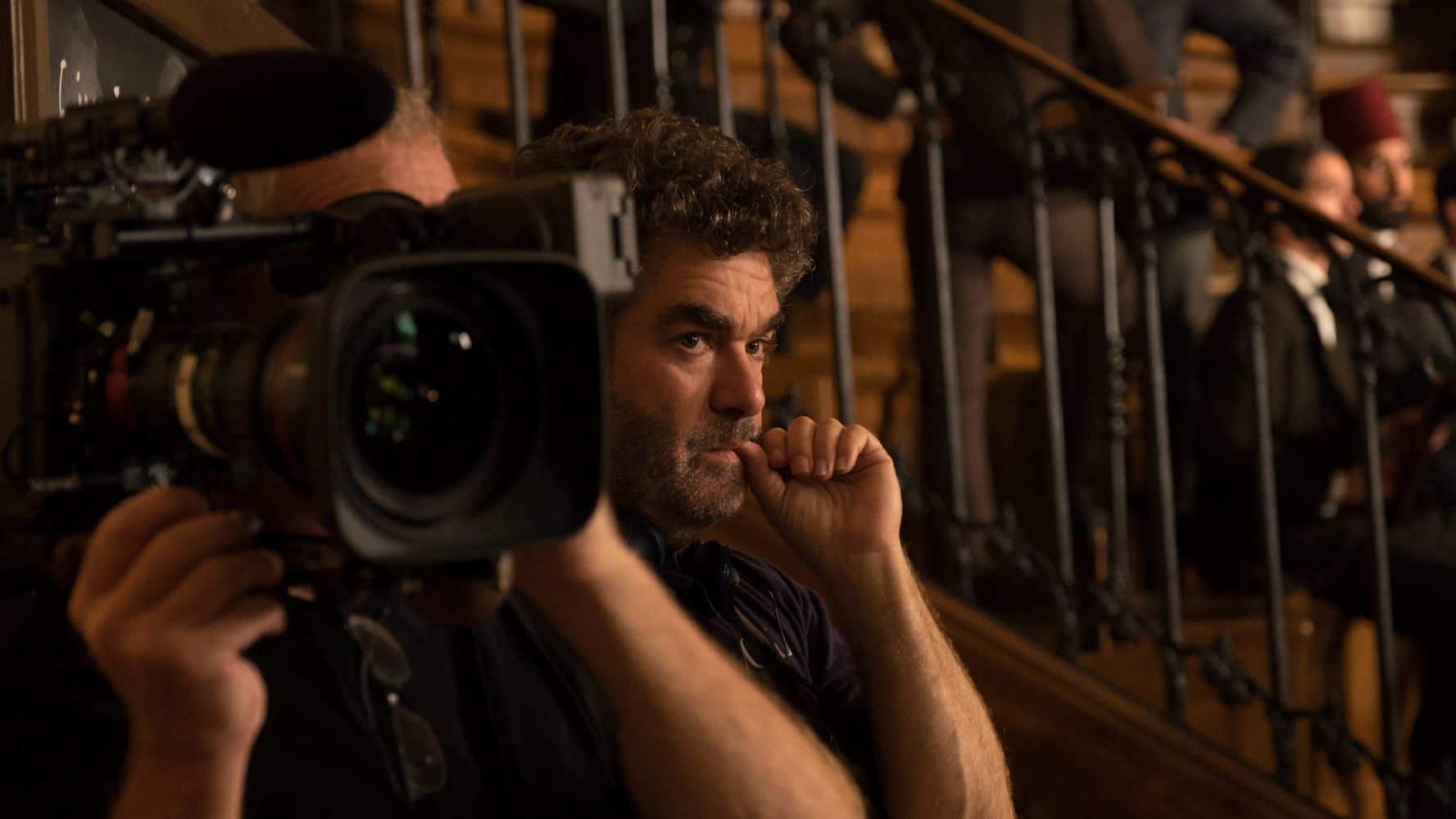
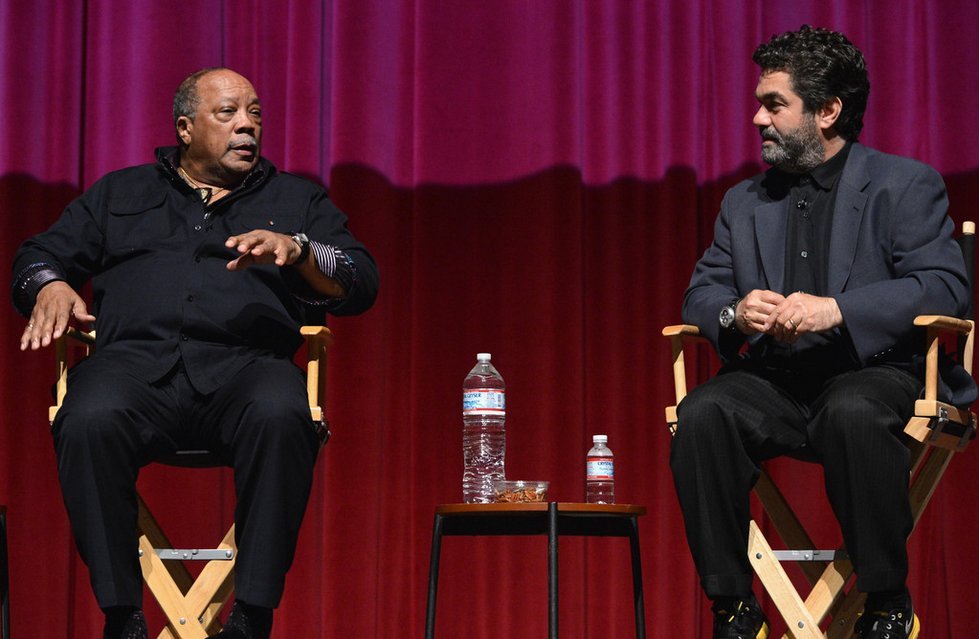
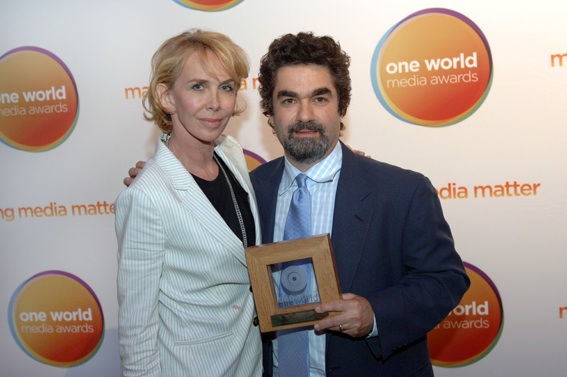
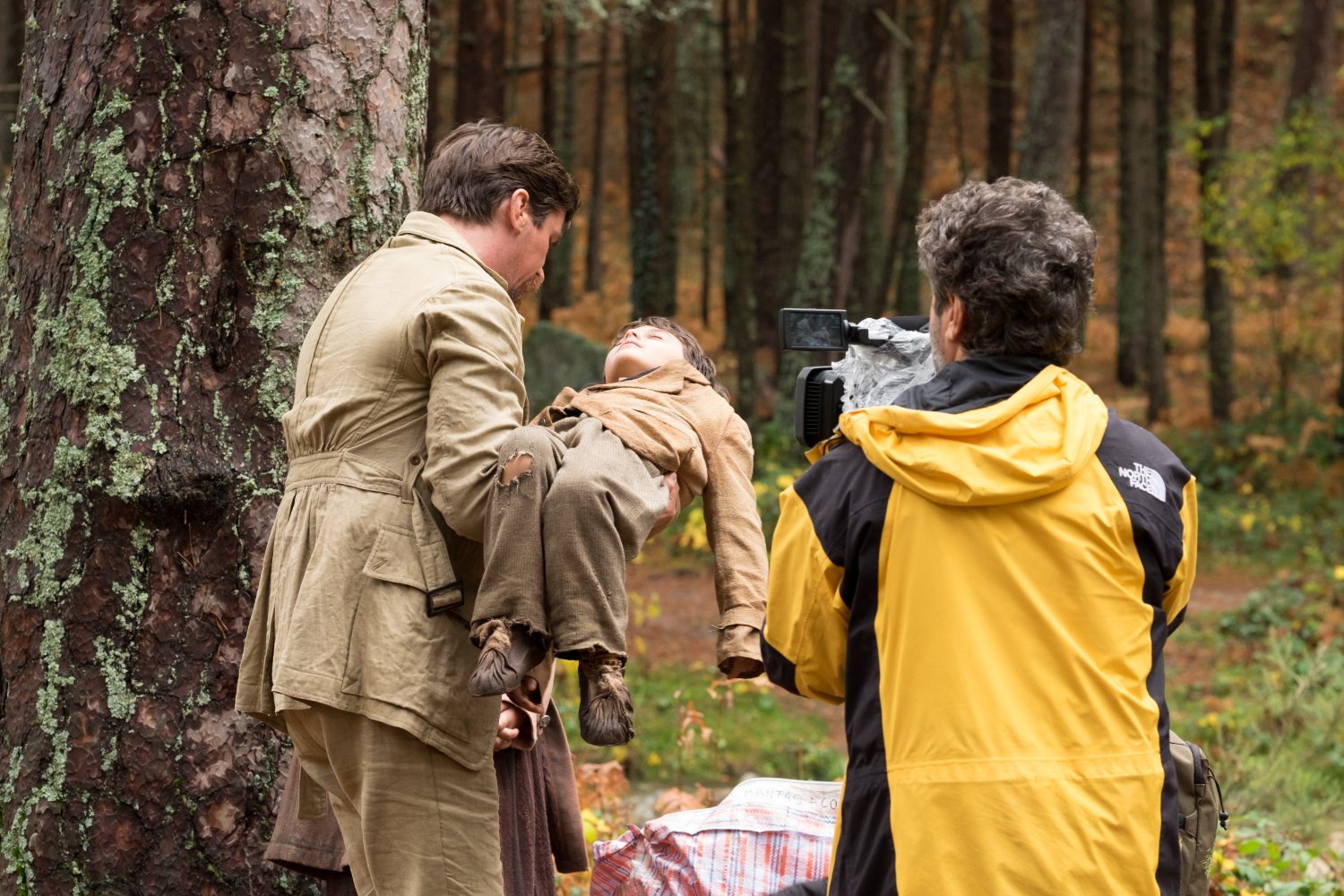
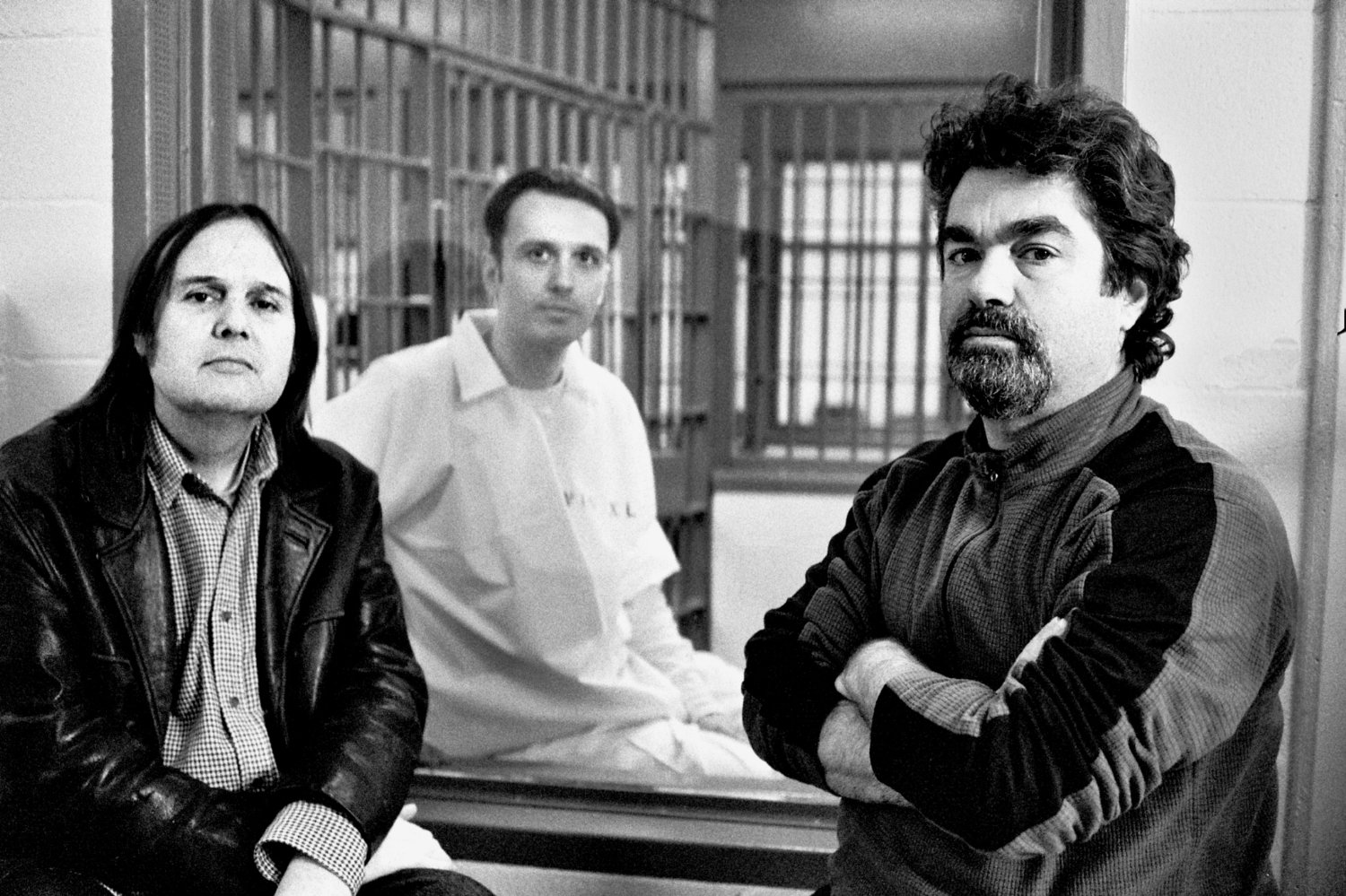
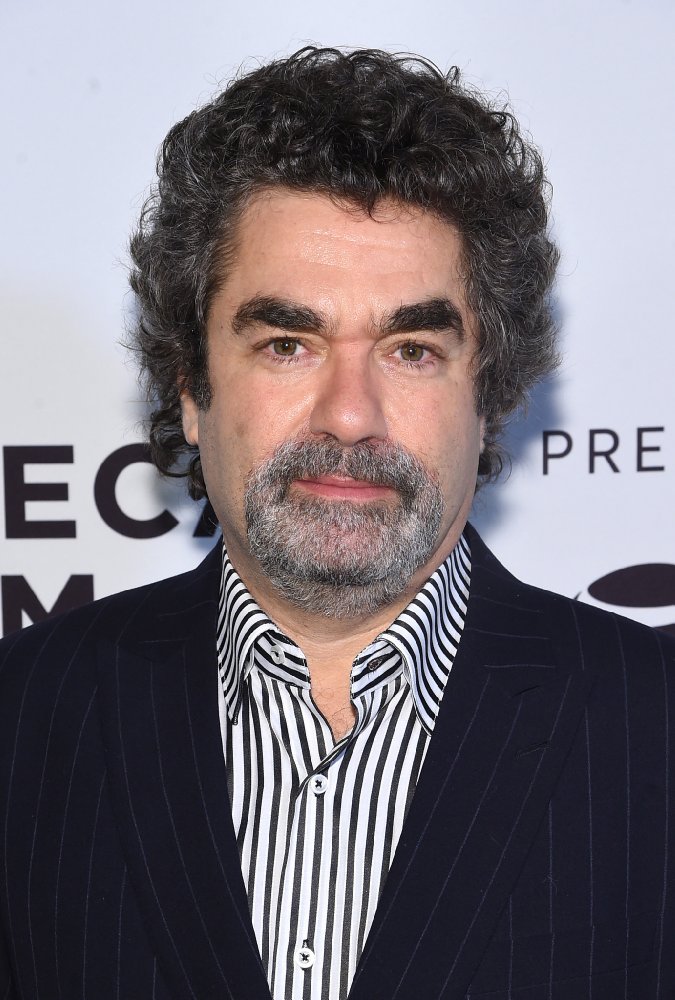
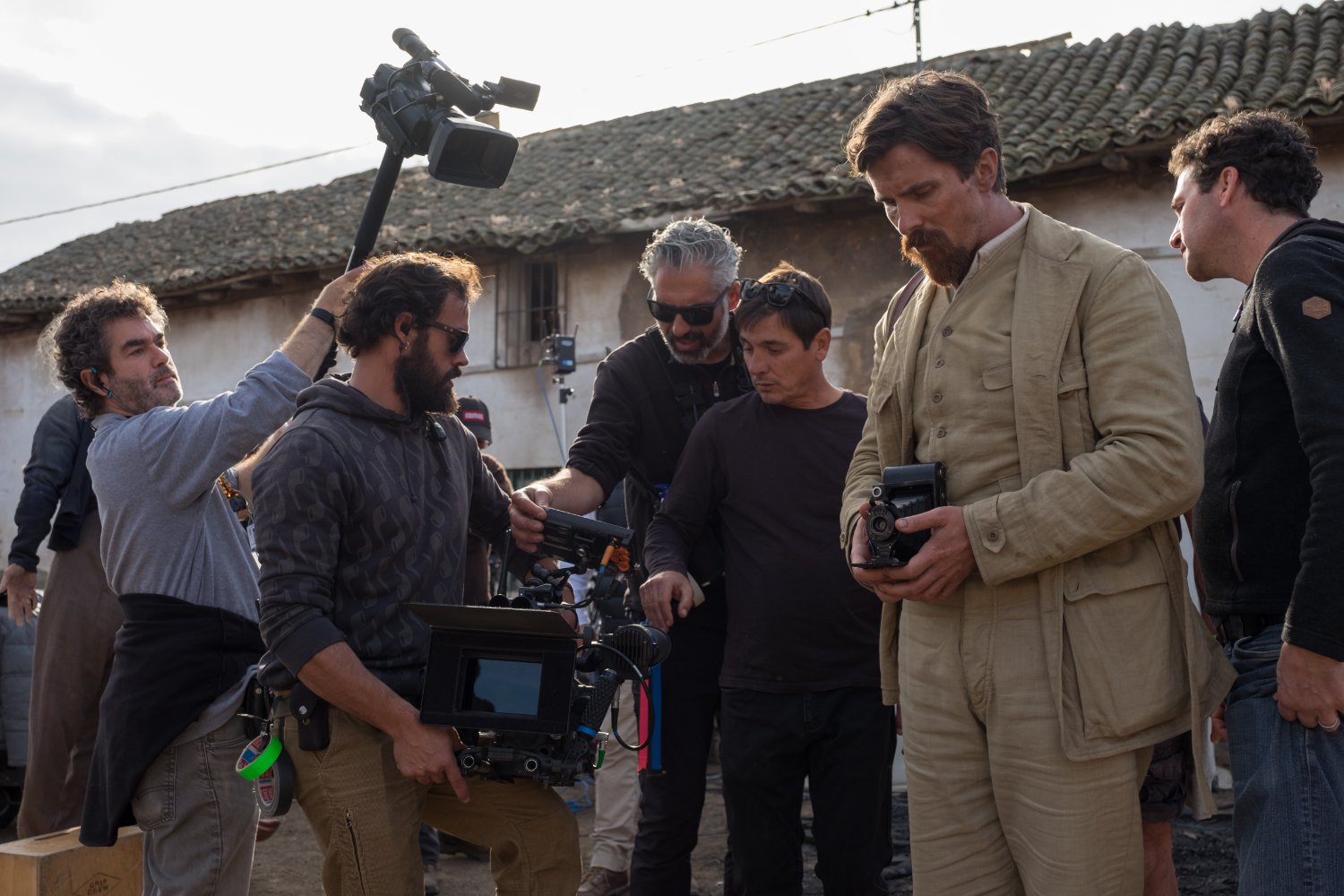
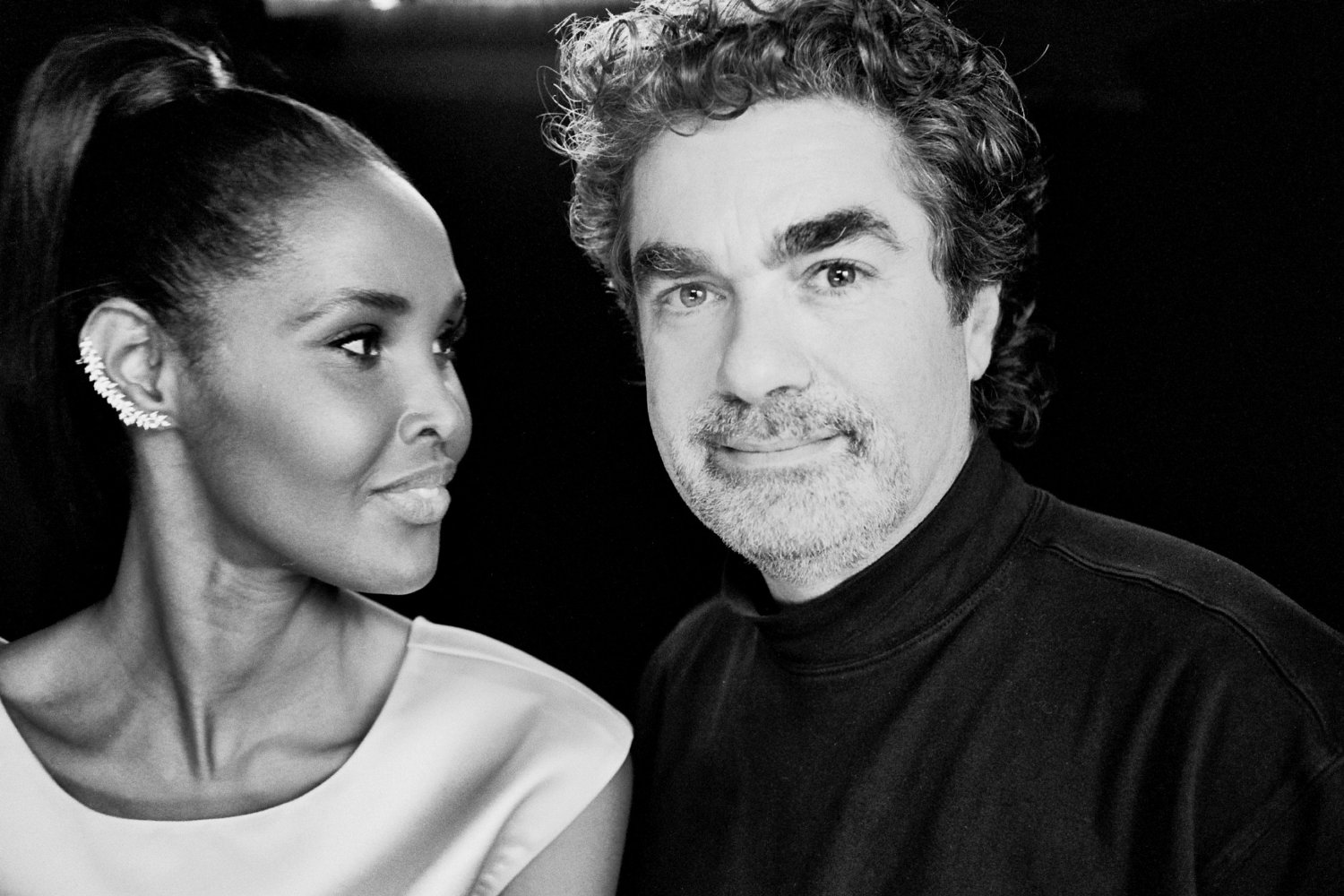
[on Intent to Destroy (2017)] By embedding with The Promise (2016), I could tell the whole story of ...Show more »
[on Intent to Destroy (2017)] By embedding with The Promise (2016), I could tell the whole story of how as early as 1935, Irving Thalberg's attempt to do "The Forty Days of Musa Dagh" [based on Franz Werfel's bestselling 1933 novel] was shut down, and ever since then there's never been a mainstream Hollywood film [about the Armenian Genocide]. So I think that's important to understand, how there are certain stories we are pressured into not telling. And in this age of alternate facts and fake news, I think that lesson has never been more important. [2017] Show less «
I think documentary-making has never been more important. A handful of corporations own the media, a...Show more »
I think documentary-making has never been more important. A handful of corporations own the media, and certain stories just aren't told. And as much as we'd like to pretend there's an independent press, it is now very ratings-driven and entertainment-driven. [2017] Show less «
[on Intent to Destroy (2017)] I heard Eric [Eric Esrailian] was producing The Promise (2016), and I ...Show more »
[on Intent to Destroy (2017)] I heard Eric [Eric Esrailian] was producing The Promise (2016), and I have long felt that it's a shame that Hollywood has been afraid of making movies about the Armenian Genocide, because of U.S.' complicity in helping Turkey not acknowledge it. So when I heard the film was being made, I thought it was a historic opportunity to use that as the present tense thread to tell the underlying story of the genocide. And more importantly, not just the genocide, but the legacy and aftermath of denial, and the mechanism of denial. [2017] Show less «
I've been lucky enough in my career to see my films have a real social impact. Obviously, the most c...Show more »
I've been lucky enough in my career to see my films have a real social impact. Obviously, the most concrete example would be the Paradise Lost: The Child Murders at Robin Hood Hills (1996) trilogy leading to the release of the West Memphis Three. I firmly believe that films can make a difference. Films can move and motivate people, so it's knowing that you're bringing something to light, particularly with this story [Intent to Destroy (2017)]. I find it particularly morally repugnant [of the US government] to put geopolitics over such a basic fundamental moral issue as giving the victims of a genocide closure. As you saw in the film, America was the Armenian's greatest friend when this tragedy was unfolding - 150 headlines in The New York Times, reports from the fields from Christian missionaries. The Near East Relief effort was created and was the largest relief effort ever founded by anyone at that time, donating sums of over a million dollars to Armenian charities. So in other words, this was a bright moment in American good will and global citizenship, and that story has largely been swept under the rug because no one likes to talk about the [Armenian] genocide. [2017] Show less «
At the end of the day, even with darkest subjects, you still have to be an engaging storyteller. You...Show more »
At the end of the day, even with darkest subjects, you still have to be an engaging storyteller. You still have to find a way into your subject matter, be it through a fascinating character, a fascinating place, or some individual example that expresses a universal theme. [2017] Show less «
[on Intent to Destroy (2017) and the Armenian Genocide] I hope I open people's hearts and get people...Show more »
[on Intent to Destroy (2017) and the Armenian Genocide] I hope I open people's hearts and get people to start talking about it... Do I think a movie is going to change the overall dynamic? Probably not, but it will help people to have a dialogue about it, and that's always useful and healthy. [2017] Show less «
Generally speaking, there are three different reasons people come to documentary: advocacy, storytel...Show more »
Generally speaking, there are three different reasons people come to documentary: advocacy, storytelling, and journalism. We all come into filmmaking for different reasons. When I made Brother's Keeper (1992), I didn't consider myself an activist or a journalist; I considered myself a storyteller that was pushing the envelope of cinema. Once we saw the West Memphis Three sent to prison for something they didn't do, that's when I think the activist bug awakened in me. So there are three competing impulses, and sometimes those impulses are mutually exclusive. For example, a lot of activist filmmakers feel like they have to have a very strong message, and anything that might subvert from that or show both sides and confuse the viewer is not good advocacy. I have the opposite view. Just like in Intent to Destroy (2017), I allowed the denial people to have a voice and express their point of view. It's clear I don't believe in the denial argument, but I think you have to treat the other side with humanity and compassion so that you can understand the complexity of the issue. In Paradise Lost: The Child Murders at Robin Hood Hills (1996), 20% of the people who walked out of that film thought Damien [Damien Wayne Echols] and the West Memphis Three might've been guilty because we included such a full portrait and didn't tell you what to think. But 80% saw it the way I saw it: a miscarriage of justice. And that 80% carried a passion that led to a worldwide movement of tens of thousands of people to free the West Memphis Three. The reason you want to show both sides and allow people to come to their own point of view is that it's a much more emotionally engaging experience for an audience. [2017] Show less «
[on James 'Whitey' Bulger's possible links to the FBI] Look, I'm not saying whether he was an inform...Show more »
[on James 'Whitey' Bulger's possible links to the FBI] Look, I'm not saying whether he was an informant or not an informant, but I think it's intellectually dishonest to just shut down the discussion. All I'm saying is, 'Hey, if he was an informant , we still don't have enough information as to how this was possible and who is responsible. And if he wasn't an informant - man, there are some really deeply troubling questions'. Show less «
-
Joe Berlinger's FILMOGRAPHY