-
-

-
- HOME
- MOVIES
- TV-SERIES
- WATCHED
- LAST ADDED
- RELEASE
-
GENRES
- All
- Action
- Adventure
- Animation
- Benefit concert
- Biography
- Christmas
- Comedy
- Costume
- Crime
- Documentary
- Drama
- Family
- Fantasy
- Game-Show
- Historical fiction
- History
- Horror
- Kung-Fu
- Music
- Musical
- Mystery
- Mythological
- News
- Psychological
- Reality-TV
- Romance
- Sci-Fi
- Short
- Sitcoms
- Sport
- Stand-up Comedy
- Talk-Show
- Thriller
- TV Show
- War
- Western
-
COUNTRY
- All
- Afghanistan
- Argentina
- Armenia
- Asia
- Australia
- Austria
- Bahamas
- Bangladesh
- Belgium
- Belize
- Bolivia
- Bosnia and Herzegovina
- Brazil
- Bulgaria
- Cambodia
- Canada
- Chile
- China
- Colombia
- Croatia
- Cuba
- Czech Republic
- Denmark
- Dominican Republic
- Euro
- Finland
- France
- Georgia
- Germany
- Greece
- Hong Kong
- Hungary
- Iceland
- India
- Indonesia
- International
- Iran
- Ireland
- Israel
- Italy
- Japan
- Jordan
- Kenya
- Korea
- Lebanon
- Lithuania
- Luxembourg
- Malaysia
- Mali
- Malta
- Mexico
- Mongolia
- Morocco
- Netherlands
- New Zealand
- Nigeria
- Norway
- Pakistan
- Palestine
- Panama
- Peru
- Philippines
- Poland
- Portugal
- Romania
- Russia
- Samoa
- Senegal
- Serbia
- Singapore
- Slovenia
- Somalia
- South Africa
- South Korea
- Spain
- Sudan
- Sweden
- Switzerland
- Taiwan
- Thailand
- Trinidad and Tobago
- Turkey
- Uganda
- Ukraine
- United Arab Emirates
- United Kingdom
- United States
- Uruguay
- Venezuela
- Vietnam
- TOP-IMDB
-
FeedbackFeedback about this page?CancelSend feedback
-
Filter
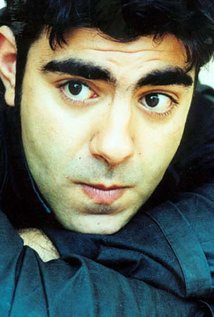
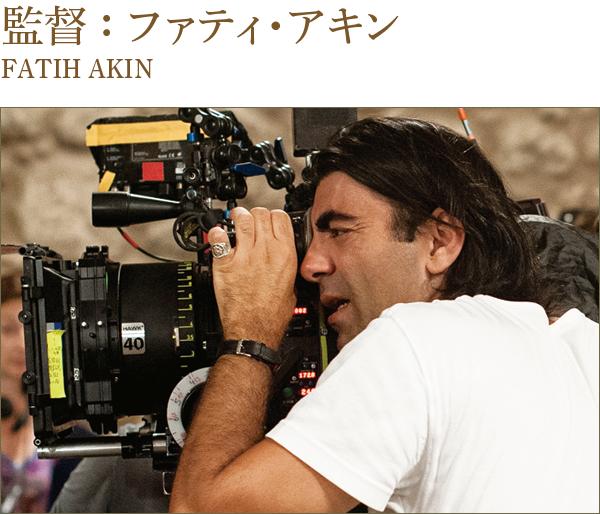
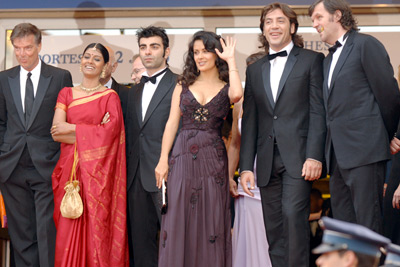
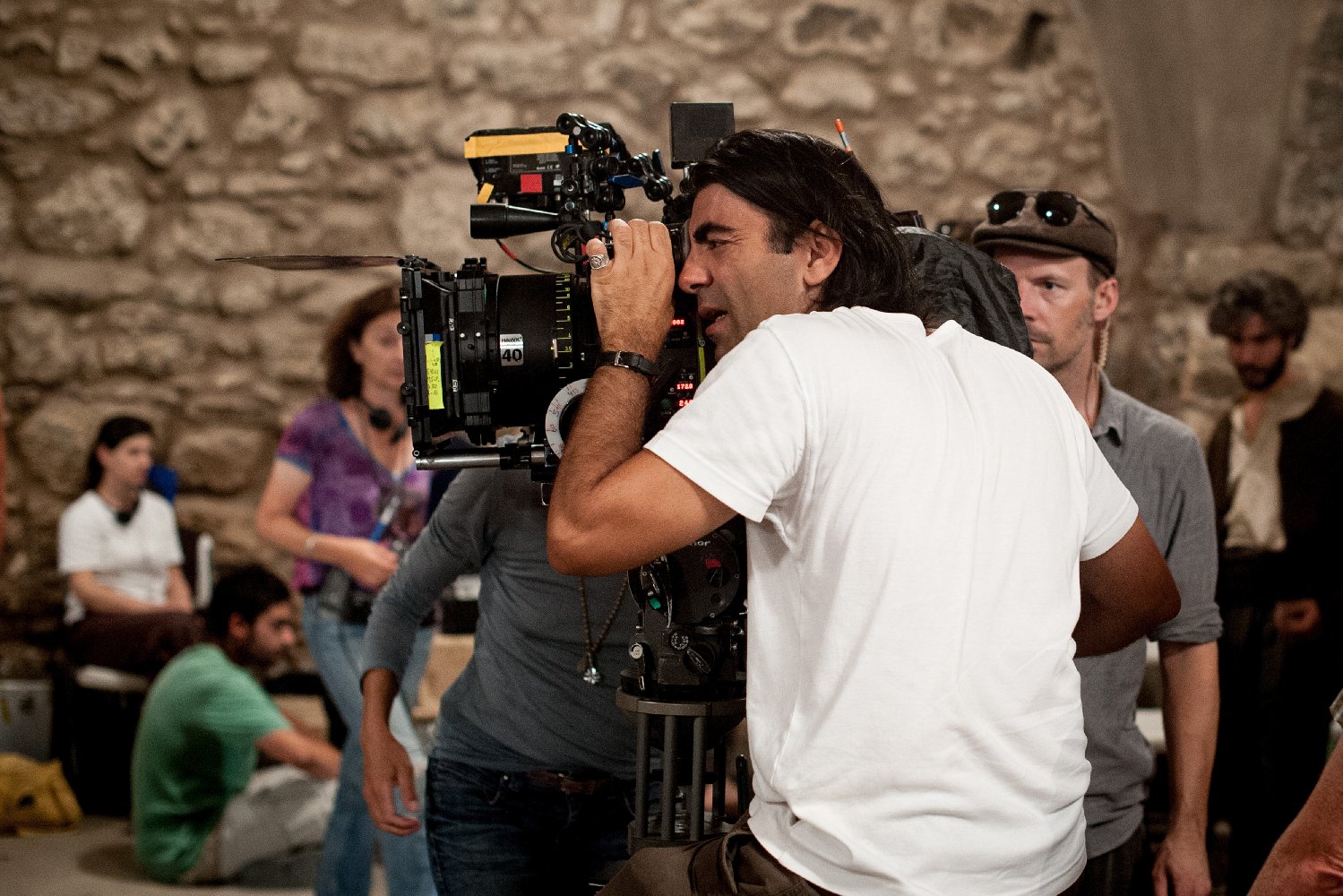
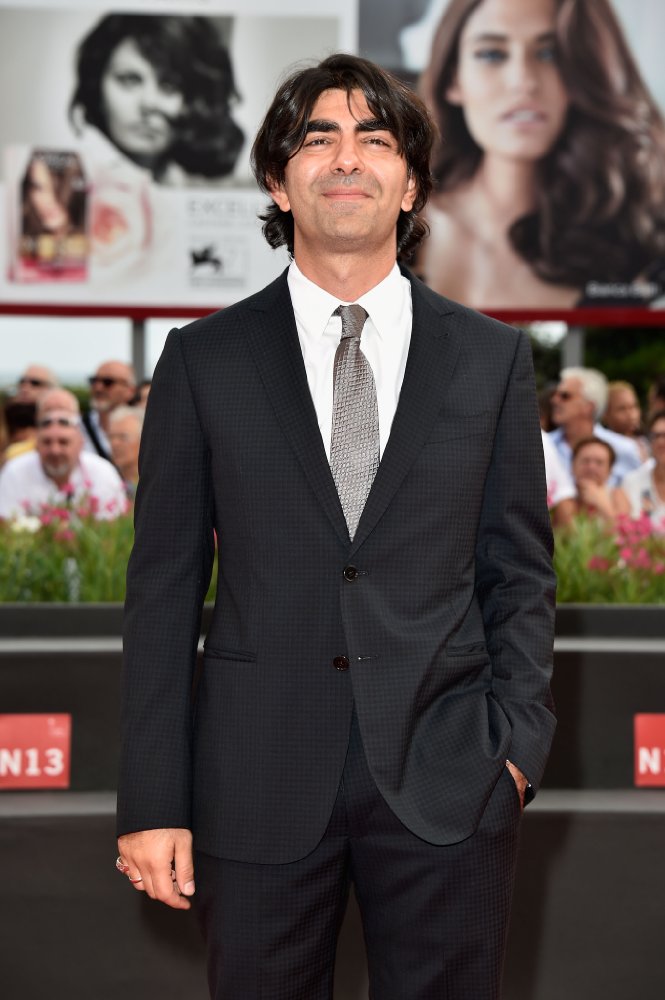
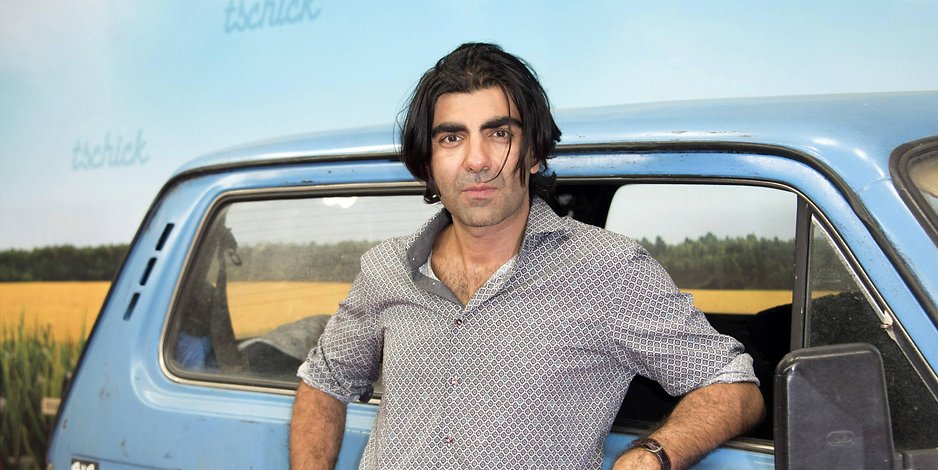
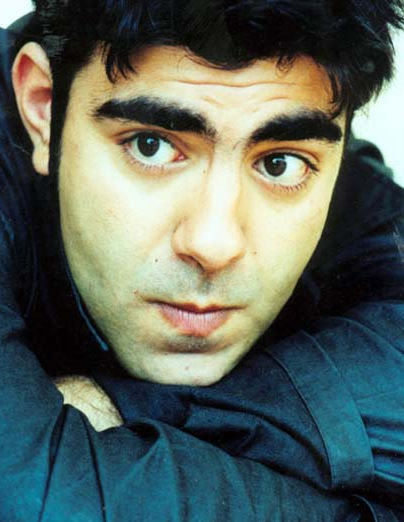
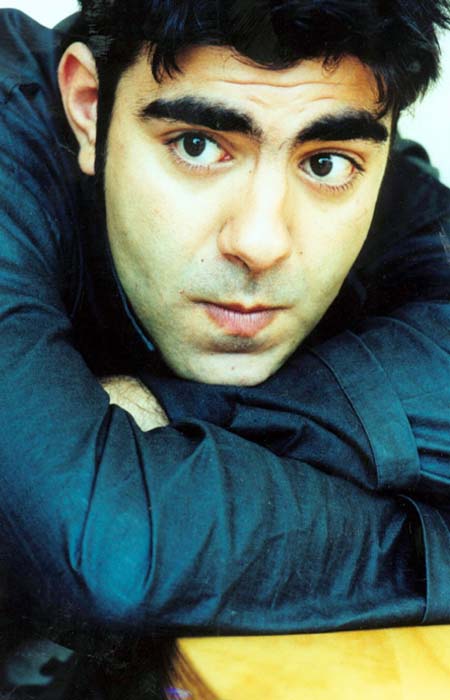
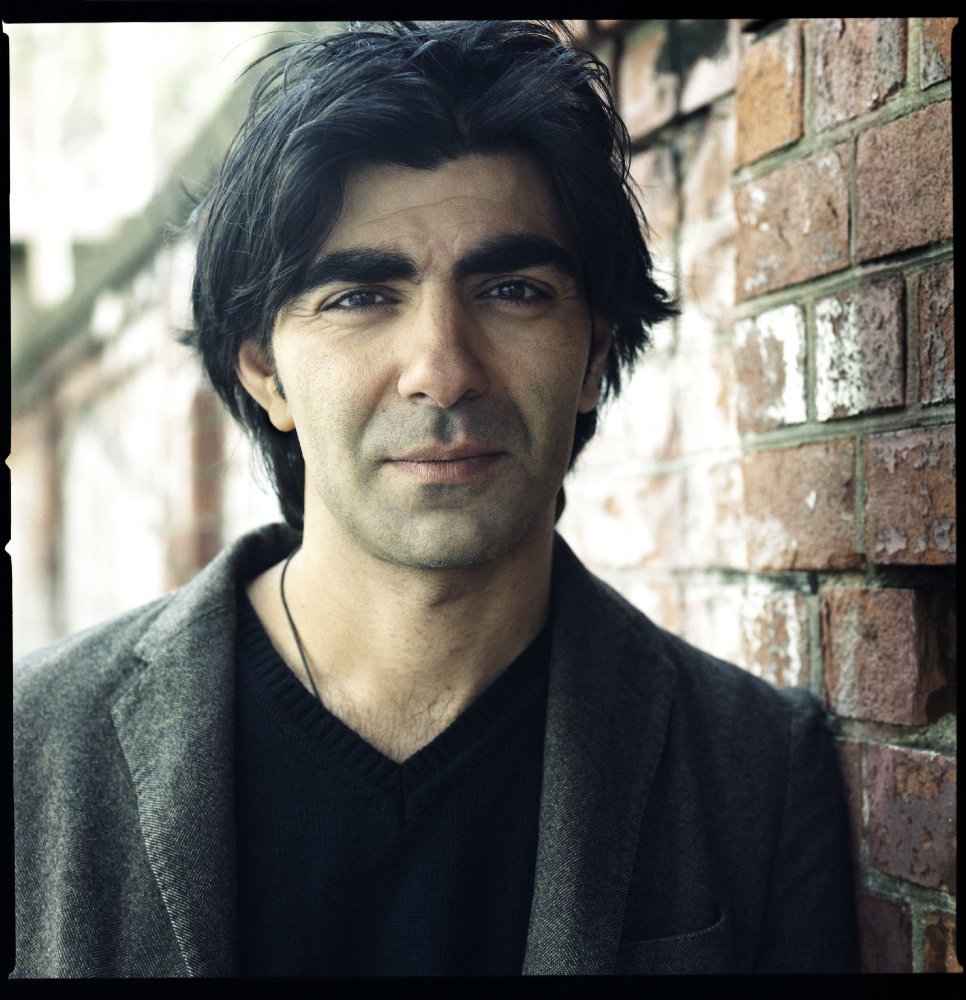
Fatih Akin
Birthday: 25 August 1973, Hamburg, West Germany
Fatih Akin was born in 1973 in Hamburg of Turkish parentage. He began studying Visual Communications at Hamburg's College of Fine Arts in 1994. His collaboration with Wueste Film also dates from this time. In 1995, he wrote and directed his first short feature, "Sensin - You're The One!" ("Sensin - Du Bist Es!"), which...
Show more »
Fatih Akin was born in 1973 in Hamburg of Turkish parentage. He began studying Visual Communications at Hamburg's College of Fine Arts in 1994. His collaboration with Wueste Film also dates from this time. In 1995, he wrote and directed his first short feature, "Sensin - You're The One!" ("Sensin - Du Bist Es!"), which received the Audience Award at the Hamburg International Short Film Festival. His second short film, "Weed" ("Getuerkt", 1996), received several national and international festival prizes. His first full length feature film, "Short Sharp Shock" ("Kurz Und Schmerzlos", 1998) won the Bronze Leopard at Locarno and the Bavarian Film Award (Best Young Director) in 1998. His other films include: "In July" ("Im Juli", 2000), "Wir Haben Vergessen Zurueckzukehren" (2001), "Solino" (2002), the Berlinale Golden Bear-winner and winner of the German and European Film Awards "Head-On" ("Gegen Die Wand", 2003), and "Crossing the Bridge - The Sound of Istanbul" (2005). Show less «
[on Rainer Werner Fassbinder] Comparisons with Fassbinder have followed me around since my first fil...Show more »
[on Rainer Werner Fassbinder] Comparisons with Fassbinder have followed me around since my first film, Kurz und schmerzlos (1998). Critics said that the character Gabriel, who emerges from prison determined never to return to crime, reminded them of Franz Biberkopf in Fassbinder's Berlin Alexanderplatz (1980). It's funny, because I hadn't even seen the film at the time. I admire Fassbinder, but he and I work in different ways. Hanna Schygulla once told me that Fassbinder forced his actors never to deviate from the script. But in my films everyone can do as he or she wishes. I like it when actors depart from the script to find their characters. Of course, that's also why it takes me three years to make a movie. Fassbinder would have been able to turn out 10 films in that amount of time. Show less «
All my films are very personal. They're auteur films, in a way. I'm the scriptwriter, I'm producing ...Show more »
All my films are very personal. They're auteur films, in a way. I'm the scriptwriter, I'm producing it, and I'm the director. Soul Kitchen (2009) is more like a diary. The other films were really more like my reflections about the world and my issues. I want to change the world. I want to make it a better world, whatever that means. Soul Kitchen is very liberated from these things. It has other problems; it has other issues. It is like a diary. I was in those clubs; I was carrying this drunken woman home. We always had the temptation, because these people were so beautiful, but they were drunk. I was not stealing turntables, because they were too heavy, but I was stealing records at a time before I could afford them. A lot of the world in the film is really much about the filmmaking. I don't think I will ever do a film about filmmaking. I think it's too boring; there's a lot of insider stuff. The best film about filmmaking, I think, is La nuit américaine (1973) by François Truffaut, and 8½ (1963). There's nothing to add, I think. They told it how it is. I could really use the world of the restaurant as a symbol for the filmmaking. The chef is really much like a director, cooking and improvising. The owner of a restaurant is really much like the producer of a film. The customers are like the audiences; the dishes are like films. You even have film critics with the critics of the restaurant. It was really an opportunity to do a film about filmmaking. It went so far that I was wondering what Adam [Bousdoukos] was acting as, and I was asking him, "What are you doing there?" and he said, "I'm imitating you, man. That's you." Show less «
If you love the cinema, you have to love America.
If you love the cinema, you have to love America.
I used to think that a film can change the world, just like rock n'roll has changed the world. But I...Show more »
I used to think that a film can change the world, just like rock n'roll has changed the world. But I now realize that one film can't do that. The most difficult thing for The Cut (2014) was its reception. I received criticism from all over the world. Both sides beat the shit out of me. Which I suppose means it has something, right? My reason to do The Cut was because so many people don't know about the genocide. I think if a society doesn't know about its own ghosts, these ghosts can appear again and again and again. My idea with the film was to create a collective analysis. Show less «
[on the message of The Cut (2014):] I come from a religious family, with strict dogmas and it took a...Show more »
[on the message of The Cut (2014):] I come from a religious family, with strict dogmas and it took a while to get rid of them. I now have my own definition of what is right and wrong, good and evil. You can say I'm a spiritual person. The film is about that: Someone losing his religion but getting the sense of spirituality. Show less «
[on informing the Turkish audience about the historic Armenian Genocide through The Cut (2014)] I be...Show more »
[on informing the Turkish audience about the historic Armenian Genocide through The Cut (2014)] I believe in that. Certain people may not need it. But other people need another rhetoric to understand this, I don't want to be preachy or act as a teacher but I want to create empathy. I made the film so that the Turkish audience could identify with an Armenian hero, which isn't easy. To do this you have to keep it simple and not challenge the audience with too much intellectual attitudes, but challenge them emotionally. Show less «
Growing my audience is a target of mine. Cinema is a collective experience. Many people sit together...Show more »
Growing my audience is a target of mine. Cinema is a collective experience. Many people sit together, there's a lot of seats, and you want those seats to be filling up. I'm not that egotistic, to say, "No, I only want to do a film for me, I don't care." That's not true. For sure I do them for me, but I hope I can share it with as many people as possible. Show less «
[on his inspirations for The Cut (2014)] Elia Kazan's America America (1963), certain aesthetics of ...Show more »
[on his inspirations for The Cut (2014)] Elia Kazan's America America (1963), certain aesthetics of the cinematography, as well as shooting the film in English and naturally the long voyage of the young man through the impoverished towns and villages on the way to Constantinople. (...) I had Westerns in my mind to inspire me, The Searchers (1956) by John Ford, and also Homer's 'The Odyssey' certainly was a reference for me: The journey of the hero who tries to return to his family. Show less «
What I'm always trying to say is, this Turkish-German gap, you know, or this connecting element of t...Show more »
What I'm always trying to say is, this Turkish-German gap, you know, or this connecting element of the two nations, or systems, or worlds - you can change that and put other things instead. Mexico and the U.S., same thing. Show less «